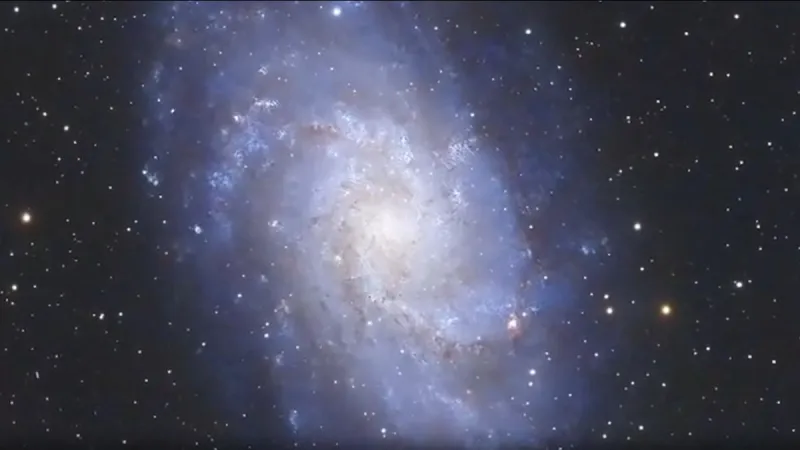
L'astrophotographe amateur Ramesh Bhadri a capturé une image époustouflante de la galaxie d'Andromède depuis le village de Tehri Garhwal en Uttarakhand, Inde. La galaxie, située à environ 2,7 millions d'années-lumière de la Terre, a été photographiée depuis un emplacement himalayen de haute altitude connu pour ses cieux exceptionnellement sombres.
Bhadri, un passionné d'astrophotographie, a utilisé un télescope et un appareil photo pour capturer l'image. La galaxie d'Andromède, également connue sous le nom de M31, est la galaxie majeure la plus proche de la Voie lactée et est visible à l'œil nu dans des conditions optimales.
Cet exploit met en lumière le potentiel de l'astrophotographie dans les zones reculées et non polluées de l'Inde. Le travail de Bhadri a été partagé sur les réseaux sociaux, attirant l'attention sur les cieux sombres de l'Uttarakhand.