Zimbabwe's ruling party, Zanu-PF, is pressing ahead with controversial constitutional amendments that opposition groups and civil society fear are designed to consolidate power and eliminate direct presidential elections. The proposed changes would allow the president to be chosen by parliament rather than by a direct popular vote, a move critics say would effectively end meaningful democratic accountability in the country.
Opposition parties, led by the Citizens Coalition for Change (CCC), have strongly condemned the proposals, warning that the amendments represent a fundamental assault on Zimbabwe's democratic framework. Civil society organisations have echoed these concerns, arguing that removing the public's direct vote for president would entrench Zanu-PF's dominance given its parliamentary majority.
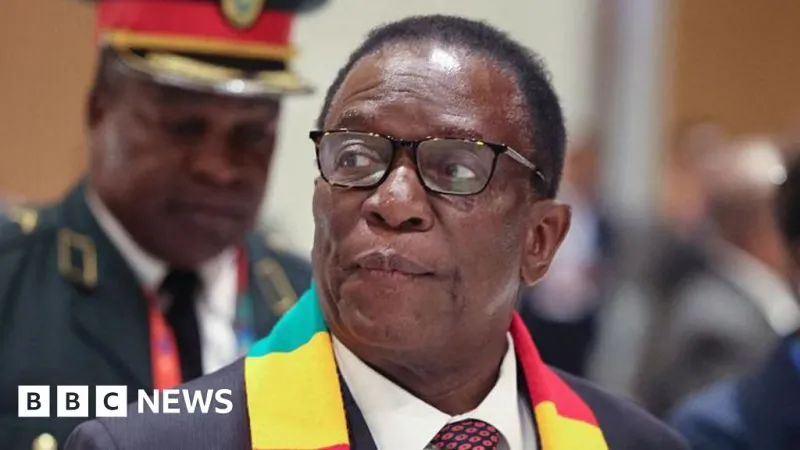
President Emmerson Mnangagwa, who came to power following the 2017 military-assisted removal of longtime ruler Robert Mugabe, is constitutionally barred from seeking another term under current rules. Critics allege the constitutional overhaul is partly intended to reset or extend his tenure beyond the limits currently in place, though Zanu-PF officials have denied that the changes are self-serving.
The proposed amendments have drawn international attention, with democracy watchdogs warning that Zimbabwe risks further democratic backsliding. The country has faced longstanding criticism over electoral integrity, press freedom, and the treatment of political opponents. As of early 2026, the constitutional amendment process remains ongoing, with parliamentary debates continuing amid widespread public unease.