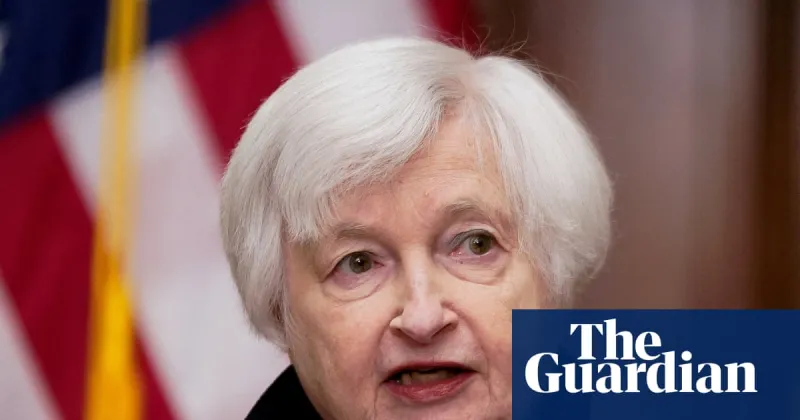
Former U.S. Federal Reserve Chair Janet Yellen has publicly criticized former President Donald Trump's repeated calls for the central bank to lower interest rates. In a recent interview, Yellen, who served as Fed chair from 2014 to 2018, characterized such public pressure as inappropriate, drawing a comparison to the actions of a "banana republic." This term is often used pejoratively to describe politically unstable countries with economies dependent on limited resource exports, where leaders may attempt to influence monetary policy for short-term political gain.
Yellen's comments reference a period during Trump's presidency when he frequently urged the Fed to cut rates, including via social media posts. As Treasury Secretary under President Biden, Yellen has consistently emphasized the importance of central bank independence from political influence. Her critique underscores a longstanding principle in U.S. economic governance: that the Federal Reserve should operate free from political pressure to ensure long-term economic stability.
The Federal Reserve's decisions on interest rates are critical tools for managing inflation and employment. While presidents have historically expressed their economic preferences, overt and persistent public pressure is considered a breach of institutional norms designed to protect the central bank's credibility and operational independence on the global stage.