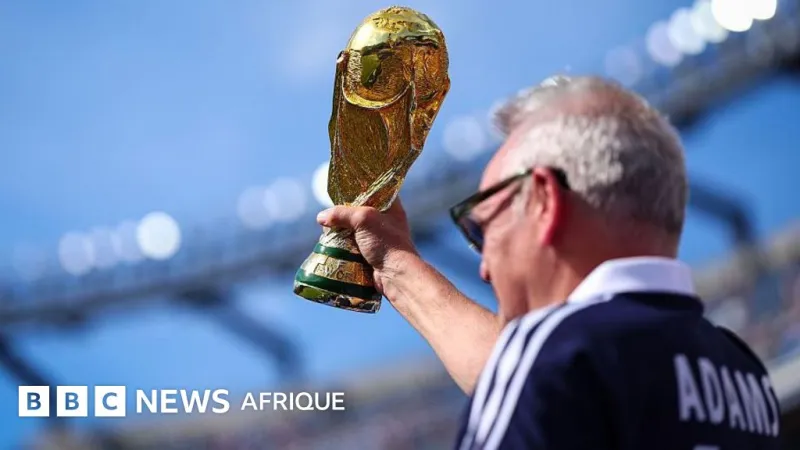
The 2026 FIFA World Cup, co-hosted by the United States, Canada, and Mexico, features an expanded 48-team format with 16 groups of three teams each. This change has sparked debate about fairness in the group stage, particularly regarding the final matches.
Under the new format, each team plays only two group matches instead of three. Critics argue that this reduces the number of games and can lead to situations where teams may collude or where the final match in a group is not played simultaneously, potentially giving an advantage to later teams. FIFA has stated that all final group matches will be played at the same time to ensure fairness.
Historically, simultaneous kickoffs were introduced in 1986 to prevent match-fixing. The 2026 format retains this for the final round of group games. However, with only two matches per team, the margin for error is smaller, and a single upset can dramatically alter group standings.
Data from previous World Cups shows that simultaneous matches reduce the risk of collusion. FIFA's regulations for 2026 explicitly require all final group matches to kick off simultaneously. The tournament's schedule, released in February 2026, confirms this for all 16 groups.
While the format change aims to increase participation and global representation, it also raises questions about competitive balance. The 2026 World Cup will be the first to use this format, and its impact on fairness will be closely watched.