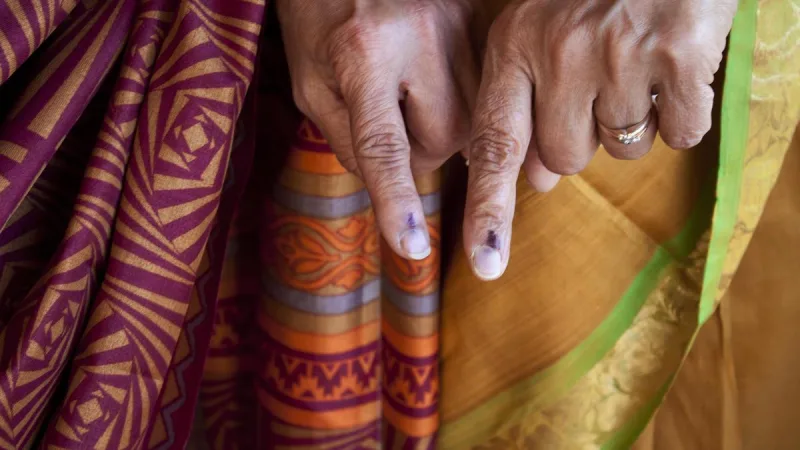
As several Indian states hold assembly elections in 2026, political parties are intensifying their focus on women voters through targeted welfare schemes and direct cash transfers. This strategic pivot is a response to the consistently high and decisive turnout of women voters in recent national and state elections, a trend that has reshaped campaign priorities.
Key initiatives like the 'Ladli Behna' scheme in Madhya Pradesh, which provides monthly financial assistance to women, have become central to electoral discourse. Similar state-level programs offering subsidies, gas cylinders, and direct benefit transfers are being prominently featured in party manifestos across states like Maharashtra, Haryana, and Jharkhand, which are scheduled for polls.
Analysts note that these policies are not merely populist measures but reflect a recognition of women's growing economic agency and their role as swing voters. The 2024 general election saw a significant gender gap in voter turnout in many constituencies, with women voting in higher numbers than men in several states, a pattern parties are keen to capitalize on in 2026.
The political emphasis on women-centric policies is driving a broader debate on social welfare, economic empowerment, and the tangible delivery of promises. The outcomes in these state assemblies are expected to provide a critical gauge of the effectiveness of this voter outreach strategy and its long-term impact on India's political landscape.