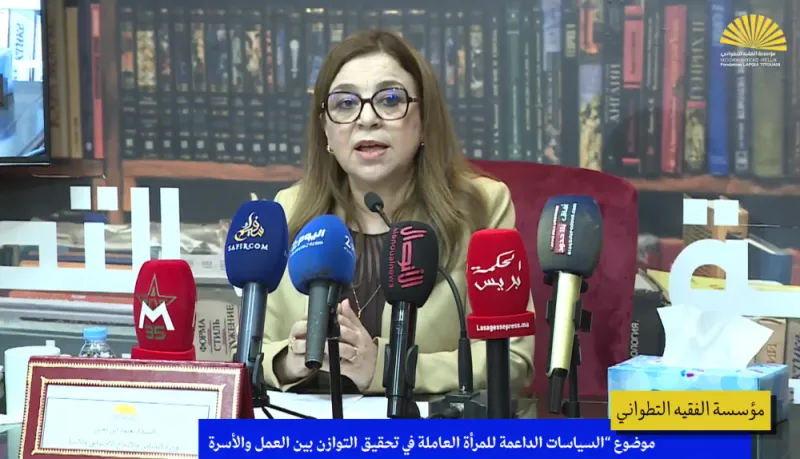
Women's political participation in Morocco continues to face significant challenges, despite constitutional guarantees and quota systems introduced over the past two decades. Morocco's 2011 Constitution enshrined the principle of gender parity in elected bodies, and a national list quota system has been used to increase the number of women in parliament. However, women still hold a minority of seats in both the House of Representatives and the House of Councillors.
Activists and political figures, including women within established parties, have repeatedly highlighted the gap between legal frameworks and lived political reality. Cultural norms, limited access to party financing, and entrenched male-dominated networks within political organizations are frequently cited as structural barriers preventing women from advancing to leadership positions.
Morocco ranked among countries with moderate female parliamentary representation in the Arab world, yet progress has been slow and uneven. Women candidates often find themselves placed lower on party lists, reducing their chances of election even when quota rules apply. Civil society organizations have called for binding parity laws rather than voluntary targets.
The debate around women in Moroccan politics also intersects with broader discussions on democratic reform, decentralization, and the role of local elected bodies. At the municipal and regional levels, women's representation has seen incremental gains following the 2021 communal elections, but advocates argue that meaningful political equality requires deeper institutional and cultural change.