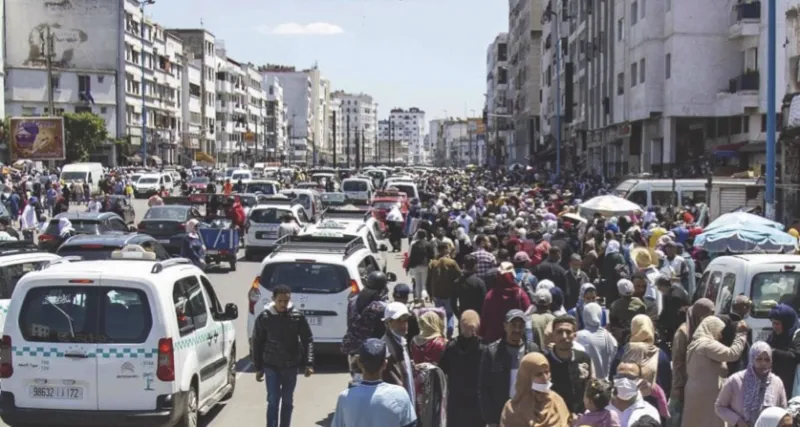
In May 2021, a sudden surge of migrants from Morocco crossed into the Spanish enclave of Ceuta, with over 8,000 people arriving in a single day. Many swam around the breakwater or used makeshift boats, taking advantage of a relaxation of border controls by Moroccan authorities. The influx was widely seen as a diplomatic pressure tactic by Morocco, linked to Spain's decision to host the leader of the Polisario Front, Brahim Ghali, for medical treatment.
The Spanish government responded by deploying military personnel to the border and returning many migrants to Morocco, a process that sparked criticism from human rights groups. The incident highlighted the fragile relationship between Madrid and Rabat, which has long been marked by disputes over migration, Western Sahara, and territorial sovereignty.
According to the United Nations, the number of migrants crossing the Mediterranean to Spain has fluctuated in recent years, with a notable increase in 2021. The Ceuta crisis underscored the challenges faced by European border states in managing sudden migration flows while balancing diplomatic relations with neighboring countries.
As of 2026, the situation has stabilized, but the underlying issues remain unresolved. Spain continues to work with Morocco on migration control, while human rights organizations call for more humane treatment of migrants at borders.