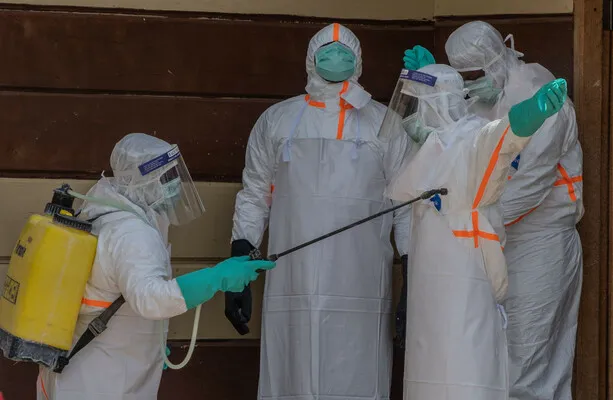
The World Health Organization (WHO) announced on June 25, 2026, that the Marburg virus outbreak in Rwanda is expected to be officially declared over on July 2, 2026. This follows a period of 42 days without any new confirmed cases, which is twice the maximum incubation period for the virus.
The outbreak, which began in late 2025, resulted in 15 confirmed cases and 11 deaths, according to the WHO. The last confirmed case was reported on May 21, 2026. Health authorities in Rwanda, with support from the WHO and other partners, implemented rigorous surveillance, contact tracing, and infection control measures to contain the spread.
While the end of the outbreak is in sight for those in quarantine, scientists continue to analyze virus samples to develop potential tests, treatments, and vaccines. The WHO has emphasized the importance of ongoing research to better understand the Marburg virus and to prepare for future outbreaks.
The Marburg virus, a hemorrhagic fever similar to Ebola, has a high fatality rate. The rapid response in Rwanda, including the deployment of experimental treatments and vaccines, was credited with limiting the outbreak's size.