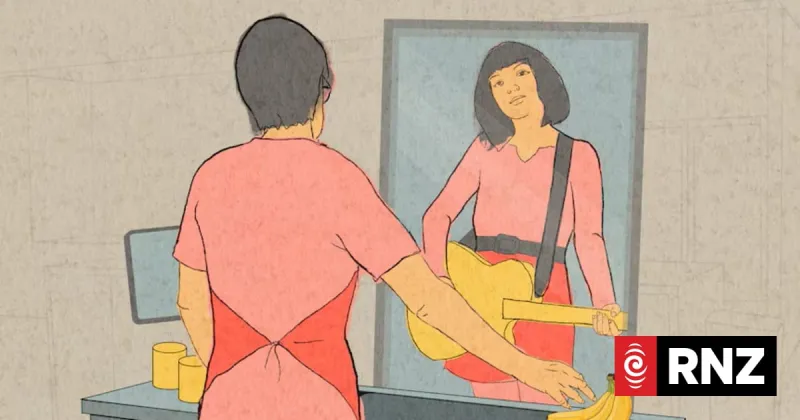
For many people, the first question asked at a social gathering is "What do you do?" — a telling sign of how deeply work has become intertwined with personal identity in modern life. Psychologists and workplace researchers have long noted that while professional engagement can provide purpose and structure, an excessive reliance on work as the primary source of self-worth carries significant risks to mental health and overall wellbeing.
The phenomenon, sometimes called "work identity fusion" or "over-identification with work," can leave individuals vulnerable when careers are disrupted — whether through redundancy, illness, retirement, or economic downturns. When a job disappears, so too can a person's sense of self. Researchers in occupational psychology note that people who maintain diverse sources of identity — through hobbies, relationships, community involvement, and creative pursuits — tend to demonstrate greater psychological resilience in the face of professional setbacks.
Practical strategies recommended by wellbeing experts include deliberately scheduling time for non-work activities, setting firm boundaries around working hours, and reconnecting with interests that predate one's career. The goal is not to diminish professional ambition, but to ensure that work occupies one part of a fuller, more balanced sense of self. Mindfulness practices and social connection outside the workplace are also frequently cited as effective tools for broadening personal identity beyond professional roles.
The conversation around work and identity has gained renewed urgency in the post-pandemic era, as remote and hybrid working arrangements have blurred the boundaries between professional and personal life for millions of workers globally. Occupational health advocates continue to stress that a healthy relationship with work — one that neither dismisses its importance nor allows it to consume all other aspects of life — is key to long-term fulfilment and mental health.