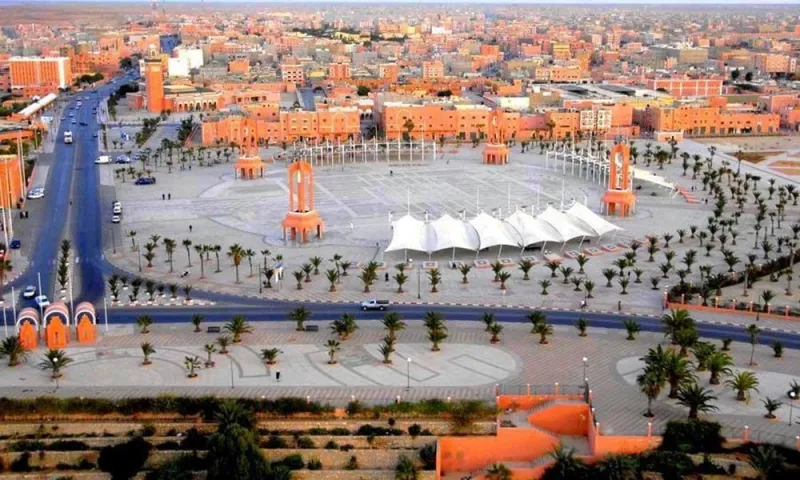
Since early 2026, the diplomatic landscape around Western Sahara has shifted markedly in favor of Morocco. Dr. Mohamed Badine El Yattioui, professor of strategic studies at the National Defense College (NDC) in Abu Dhabi, describes this as the culmination of a long clarification process. Key developments include the opening of multiple consulates in the Moroccan-controlled cities of Laayoune and Dakhla, signaling growing international support for Morocco's autonomy plan.
As of April 2026, over 30 countries have established consulates in Western Sahara, a move that directly challenges the Polisario Front's claims to represent the territory. The United States recognized Moroccan sovereignty in 2020 under the Trump administration, and while the Biden administration has not reversed this, it has maintained a cautious stance. France and Spain have also moved closer to Morocco's position, with France expressing support for the autonomy plan in 2024.
The Polisario Front, which declared a ceasefire in 1991, resumed armed conflict in 2020 after a Moroccan military operation to clear a roadblock in Guerguerat. Since then, low-level skirmishes have continued, but the diplomatic tide has turned against the separatist group. The African Union, which recognizes the Sahrawi Arab Democratic Republic (SADR), remains divided, with many member states shifting toward Morocco.
Dr. El Yattioui notes that 2026 is proving to be a difficult year for the Polisario, as international isolation deepens. The United Nations continues to call for a political solution based on Security Council resolutions, but the autonomy plan proposed by Morocco in 2007 remains the only framework with broad international backing. No new UN-led negotiations have been scheduled as of April 2026.