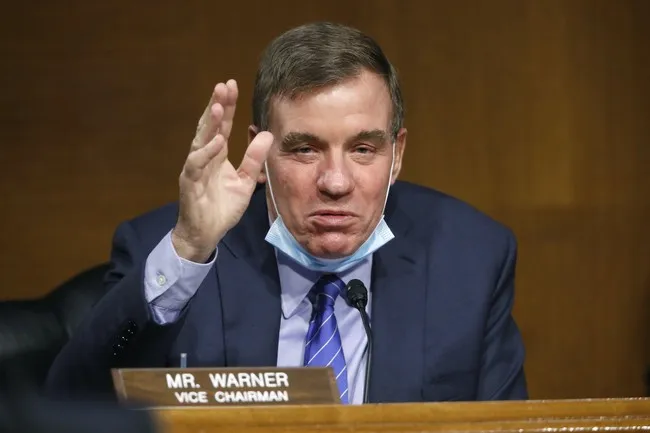
Senator Mark Warner (D-VA) recently made a statement regarding voter identification laws in Virginia that has been scrutinized by fact-checkers. According to a fact-check by the Washington Post, Warner claimed that Virginia's voter ID law is 'one of the most restrictive in the country.' However, the Post's analysis found this claim to be misleading, noting that Virginia's law allows for a wide range of acceptable IDs, including expired driver's licenses and utility bills, and is not among the most restrictive compared to states like Georgia or Indiana.
The fact-check further highlighted that Virginia's voter ID law, enacted in 2013, requires voters to show a photo ID but provides free IDs to those without one. The law has been subject to legal challenges, but courts have generally upheld it. Warner's office later clarified that he was referring to the overall voting landscape in Virginia, including other measures like polling place changes, but the specific claim about ID restrictiveness was not supported by evidence.
This incident underscores the ongoing debate over voter ID laws in the United States, with proponents arguing they prevent fraud and opponents claiming they suppress turnout. As of July 2026, Virginia's voter ID law remains in effect, with no major changes since the 2020 election cycle.