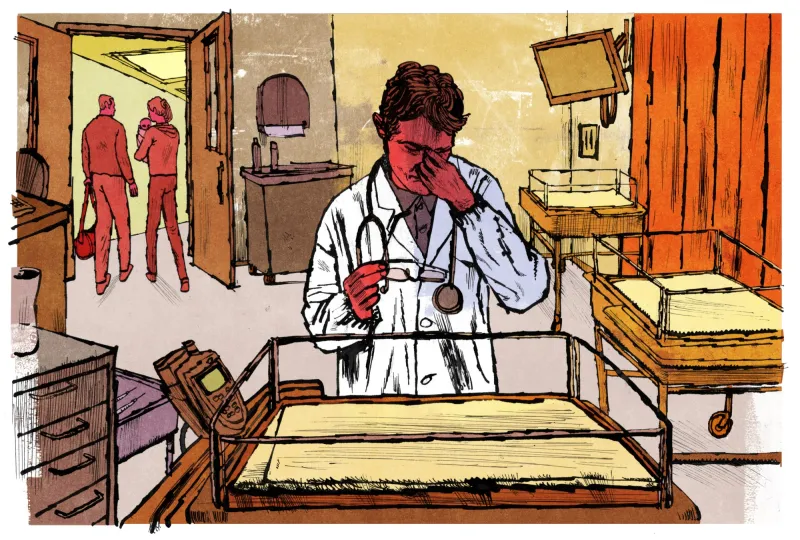
According to the U.S. Centers for Disease Control and Prevention (CDC), a growing number of parents are declining the routine vitamin K shot for newborns, leading to a rise in cases of vitamin K deficiency bleeding (VKDB). This condition, which can cause life-threatening intracranial hemorrhage, typically appears between 2 and 12 weeks of age.
The CDC recommends a single intramuscular dose of vitamin K at birth to prevent VKDB. Without it, infants lack sufficient vitamin K to clot blood properly. A 2024 study in Pediatrics found that refusal rates have increased from 0.3% in 2013 to 2.1% in 2023, with some hospitals reporting rates as high as 5%.
Dr. Michael Warren, a pediatrician at Vanderbilt University Medical Center, stated: 'We are seeing otherwise healthy babies come in with sudden, catastrophic bleeding. These cases are entirely preventable with a safe, inexpensive shot.' The CDC notes that the vitamin K shot has been used safely for over 60 years and has no link to leukemia or other cancers, contrary to some online claims.
Hospitals are now implementing new protocols, including mandatory education for parents and tracking of refusal rates. The American Academy of Pediatrics continues to strongly endorse universal vitamin K prophylaxis for all newborns.