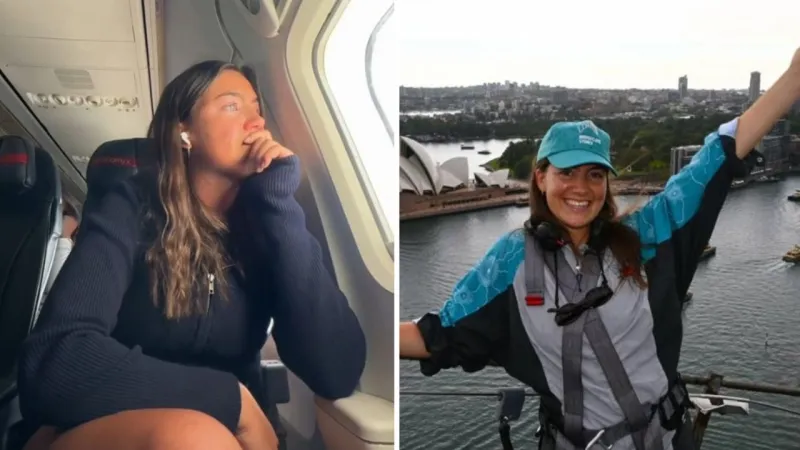
Travel is often romanticized as a transformative experience that changes who we are. However, recent psychological research and expert opinions suggest that travel doesn't change people—it reveals them. A 2023 study published in the Journal of Travel Research found that while travel can temporarily boost openness and creativity, it doesn't fundamentally alter personality traits. Instead, it brings out existing characteristics, such as adaptability, curiosity, or anxiety, in new environments.
Travel psychologist Dr. Linda Papadopoulos explains, 'When you're out of your comfort zone, your true nature emerges. Travel strips away the familiar and forces you to confront how you react to uncertainty, stress, and novelty.' This aligns with the concept of 'revealed preferences' in economics, where actions in unfamiliar settings expose underlying values and priorities.
For example, a person who is naturally introverted may find solo travel draining, while an extrovert thrives in social hostels. Similarly, someone with a tendency toward anxiety may become more stressed by travel disruptions, while a resilient person adapts quickly. Travel doesn't create these traits; it simply provides a stage for them to be observed.
This perspective has practical implications. Travel companies and therapists increasingly use pre-travel assessments to help individuals understand what their travel style says about them. As of 2026, some tour operators offer 'personality-based itineraries' that match trips to travelers' core traits, rather than promising transformation.
In summary, travel is a mirror, not a sculptor. It reflects who you already are, offering insights that can guide personal growth—but the change must come from within, not from the journey itself.