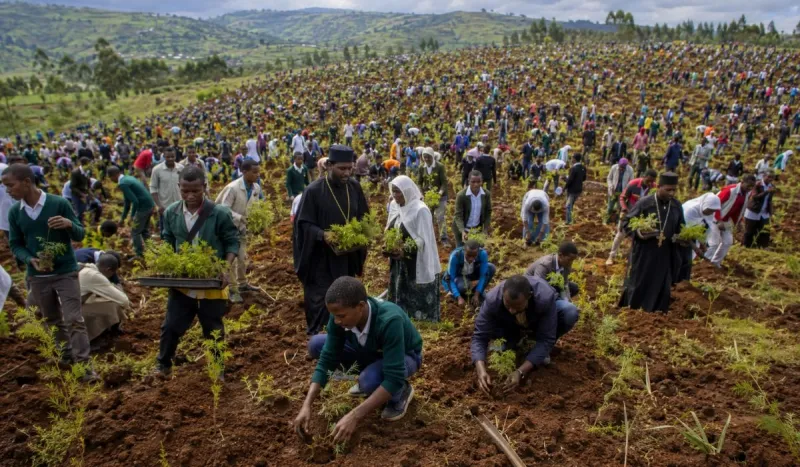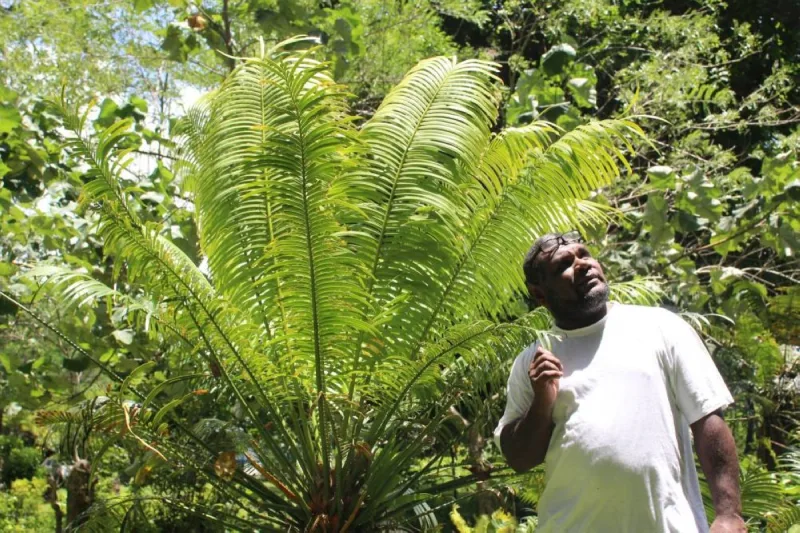
In Vanuatu, the culturally sacred kava plant (Piper methysticum) is emerging as a key component in efforts to protect the nation's threatened native forests. The plant, central to social and ceremonial life across the archipelago, is being integrated into agroforestry systems. This approach aims to provide sustainable livelihoods for local communities while reducing pressure on native ecosystems from logging and land clearing for agriculture.
Deforestation remains a significant challenge in Vanuatu, driven primarily by small-scale agriculture, commercial logging, and population growth. The loss of native forest impacts biodiversity, water resources, and increases vulnerability to climate change effects like soil erosion. Agroforestry, which combines trees with crops like kava, offers a model for more sustainable land use that can preserve ecological functions.
The cultivation of kava, a cash crop with high cultural and economic value, provides farmers with a viable alternative to more destructive practices. By growing kava under the shade of native or useful trees, farmers can generate income while maintaining forest cover and soil health. This method aligns with traditional "nakamal" or kava bar practices, where community governance often supports sustainable resource management.
Conservation organizations and local communities are promoting these integrated systems. The success of such initiatives is seen as crucial for Vanuatu, where over 70% of the population relies on subsistence agriculture and natural resources. Protecting forests through culturally relevant means like kava agroforestry represents a hopeful path for balancing economic needs with environmental stewardship in the Pacific.