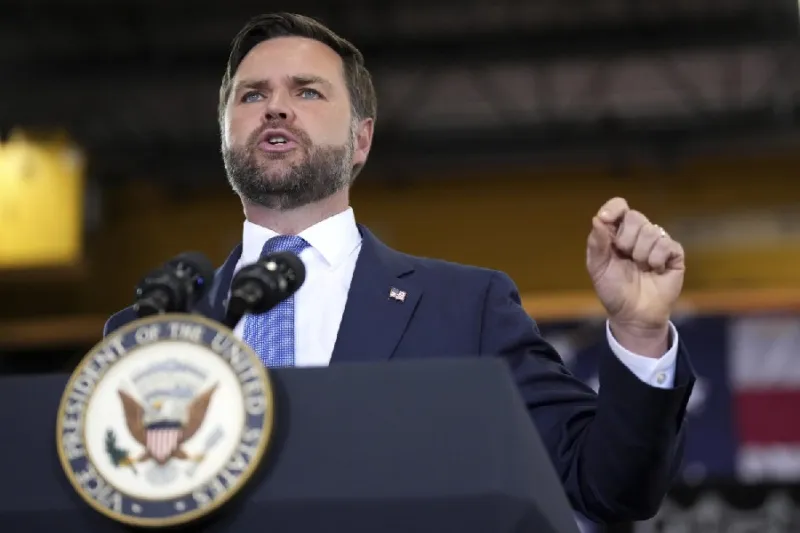
US Vice President J.D. Vance is set to travel to Islamabad, Pakistan, later this week to lead a new phase of diplomatic negotiations aimed at preventing the collapse of a fragile Middle East ceasefire. Vance will be joined by special envoy Steve Witkoff in the talks, which are expected to involve indirect communications with Iranian officials.
The ceasefire, brokered earlier this year, has come under severe strain in recent weeks amid renewed hostilities and disputes over its terms. The decision to hold talks in Islamabad reflects Pakistan's role as a potential intermediary, given its diplomatic relationships with both Iran and Western nations.
The White House has described Vance's mission as critical to preserving what it called a hard-won pause in regional violence. Officials cautioned that without a breakthrough in the coming days, the ceasefire could fully unravel, with potentially serious consequences for the broader Middle East region.
Iran has not publicly confirmed its participation in the Islamabad talks, and the format of the negotiations — whether direct or indirect — remains unclear. Diplomatic sources suggest that Oman, which has previously served as a back-channel between Washington and Tehran, may also play a supporting role in the process.