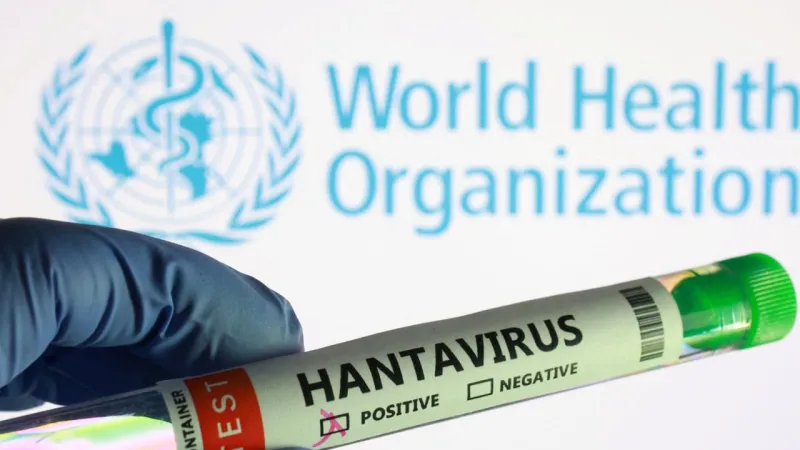
Health experts are raising concerns that the United States' withdrawal from the World Health Organization (WHO) could hinder the country's ability to respond to hantavirus outbreaks. The CDC and WHO have historically collaborated on tracking and containing the virus, which is spread through rodent droppings and can cause severe respiratory illness.
As of May 2026, the US has not officially withdrawn from the WHO, but the current administration has signaled intentions to do so. Experts warn that a lack of cooperation between the two organizations could delay the sharing of critical data on hantavirus cases and strains, potentially slowing the development of treatments and public health responses.
Hantavirus cases are rare in the US but have a high mortality rate. The CDC relies on WHO networks for global surveillance, especially for emerging strains. Without this collaboration, US health officials may face challenges in identifying and responding to new outbreaks.
The situation underscores the broader risks of reduced international health cooperation, particularly for diseases that cross borders. Public health experts urge continued dialogue to ensure that essential health protections remain in place.