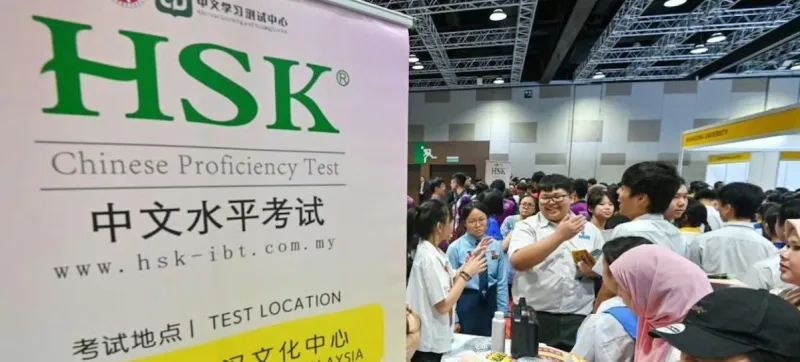
The United States and China both view Southeast Asia as strategically important, but their approaches to understanding the region differ significantly. Washington relies on a network of academic institutions, think tanks, and diplomatic missions to gather intelligence and cultural insights. Beijing, meanwhile, invests heavily in language training, cultural exchanges, and economic partnerships to build influence.
According to a 2025 report by the Center for Strategic and International Studies, the US has funded over 200 Southeast Asian studies programs in American universities since 2010, while China has established 30 Confucius Institutes in the region as of 2024. Both countries prioritize understanding local politics, economies, and societies to advance their interests.
However, experts note that China's approach is more centralized and state-directed, focusing on economic integration through initiatives like the Belt and Road. The US emphasizes people-to-people ties and democratic values, though budget cuts have reduced some academic exchanges. The divergence reflects broader strategic competition in the Indo-Pacific.