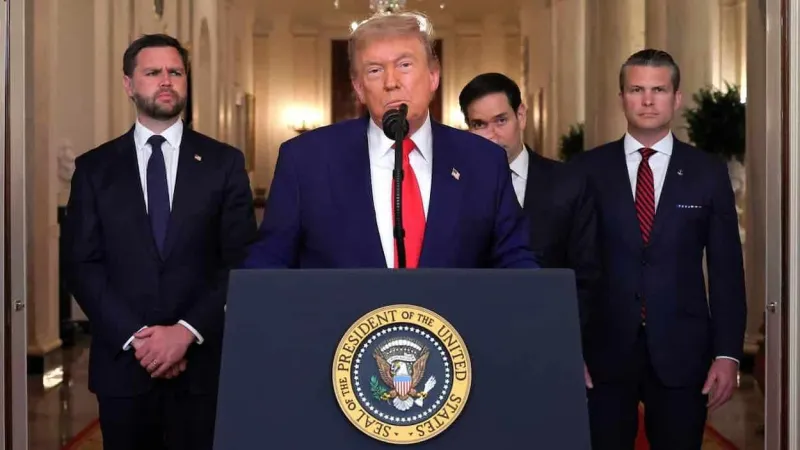
According to assessments by current and former U.S. officials and foreign policy analysts, the Trump administration's "maximum pressure" campaign against Iran, initiated after the U.S. withdrawal from the 2015 nuclear deal in 2018, largely failed to achieve its stated strategic goals. The policy, which reimposed and expanded severe sanctions, aimed to force Iran into negotiating a broader agreement that would curb its nuclear program, ballistic missile development, and regional influence.
Analysts note that while the sanctions crippled Iran's economy, they did not compel the Iranian government to capitulate to U.S. demands. Instead, Iran responded by gradually increasing its nuclear activities beyond the limits of the Joint Comprehensive Plan of Action (JCPOA), enriching uranium to higher levels and accumulating larger stockpiles. This brought Iran's breakout time—the time needed to produce enough fissile material for one nuclear weapon—from over a year under the JCPOA to a matter of weeks by the end of Trump's term, according to reports from the International Atomic Energy Agency (IAEA).
The campaign also failed to significantly roll back Iran's regional influence, with Iranian-backed militias continuing operations in Iraq, Syria, and Yemen. The escalation culminated in heightened tensions in 2020, including the U.S. drone strike that killed Iranian General Qasem Soleimani and an Iranian missile strike on a U.S. base in Iraq. Subsequent U.S. administrations have grappled with the legacy of the policy, attempting to revive diplomacy to restore constraints on Iran's nuclear program.