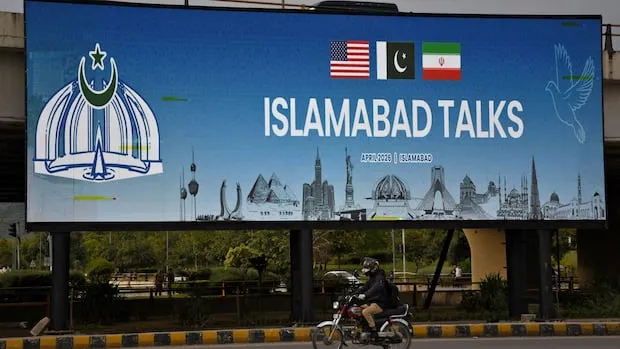
U.S. and Iranian delegations traveled to Islamabad, Pakistan, for a new round of indirect nuclear negotiations, with Oman serving as mediator. The talks, which had been in doubt due to last-minute demands from Tehran, proceeded despite Iranian officials insisting that certain preconditions needed to be addressed before substantive discussions could begin.
Iran's chief negotiator Abbas Araghchi led the Iranian delegation, while U.S. Middle East envoy Steve Witkoff represented the American side. The two teams were not expected to meet face-to-face, with Omani officials shuttling between the parties in a format similar to previous rounds of indirect diplomacy.
Tehran had publicly called for the lifting of some sanctions or other confidence-building measures before engaging in direct talks, creating uncertainty about whether the Islamabad meeting would proceed as planned. Despite the public posturing, both delegations arrived in the Pakistani capital, signaling that neither side had fully walked away from the diplomatic process.
The negotiations come against a backdrop of heightened pressure from the Trump administration, which has threatened military action if diplomacy fails to prevent Iran from developing a nuclear weapon. Iran maintains that its nuclear program is for peaceful purposes. The outcome of the Islamabad round is seen as a key indicator of whether a broader agreement remains achievable.