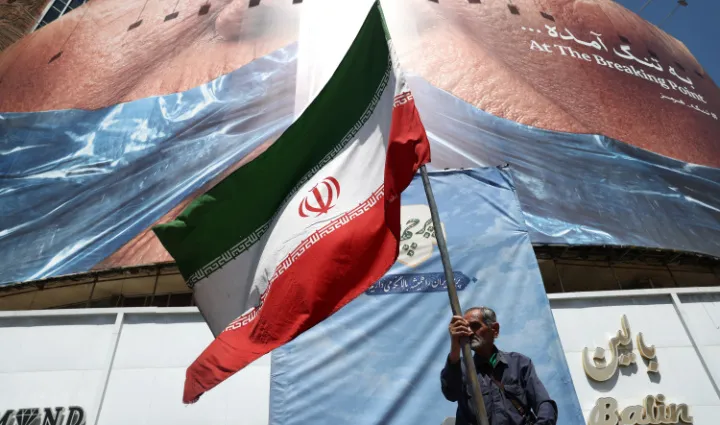
On June 17, 2026, a group of experts and former Trump administration officials publicly criticized the recently signed US-Iran nuclear agreement. The deal, which aims to limit Iran's nuclear program in exchange for sanctions relief, has been met with skepticism from those who argue it fails to address key security issues.
Among the critics is John Bolton, former National Security Advisor, who stated that the agreement does not include sufficient verification mechanisms. Other former officials echoed concerns that the deal could enable Iran to develop nuclear weapons capabilities without adequate oversight.
Experts also highlighted the ongoing tensions in the Strait of Hormuz, a critical oil shipping route, where Iran has previously threatened to disrupt traffic. The agreement's impact on regional stability remains a point of contention, with some arguing it could reduce conflict while others fear it emboldens Iran.
The Biden administration has defended the deal, emphasizing its diplomatic achievements and the importance of preventing a nuclear-armed Iran. However, the criticism underscores deep divisions over the best approach to Iran's nuclear ambitions.