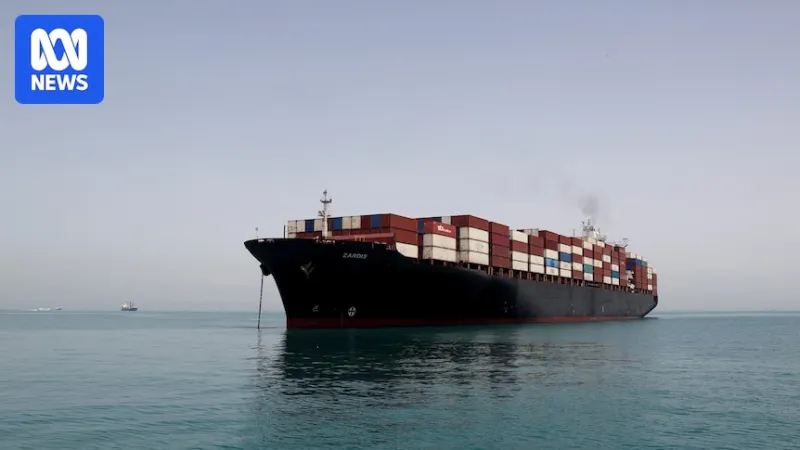
Negotiations between the United States and Iran for a potential agreement continue to face significant obstacles, with the reopening of the Strait of Hormuz and curbing Tehran's nuclear program emerging as key sticking points, according to reports as of May 25, 2026.
The Strait of Hormuz, a vital waterway for global oil shipments, has been a flashpoint in recent tensions. Iran has previously threatened to close the strait in response to sanctions, and its reopening is a major demand from the US and its allies to ensure energy market stability.
On the nuclear front, the US insists on verifiable limits to Iran's enrichment activities, which Tehran has expanded beyond the 2015 Joint Comprehensive Plan of Action (JCPOA) limits. Iran maintains its program is peaceful but has not agreed to the full scope of inspections demanded.
Other unresolved issues include the release of detained foreign nationals and the scope of sanctions relief. Both sides have signaled willingness to continue talks, but no breakthrough is expected before the next round of negotiations.