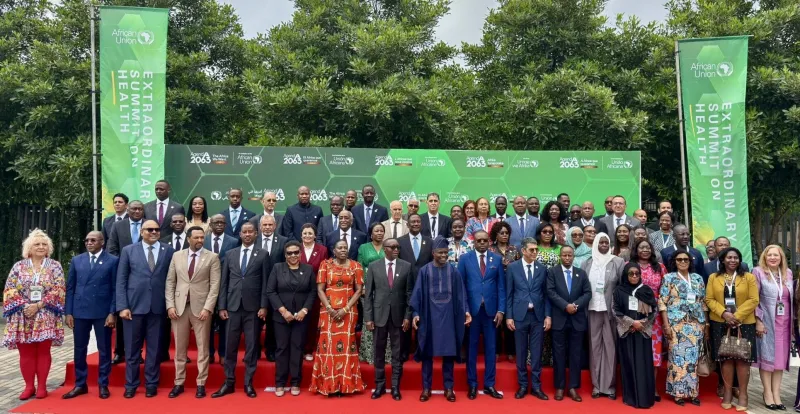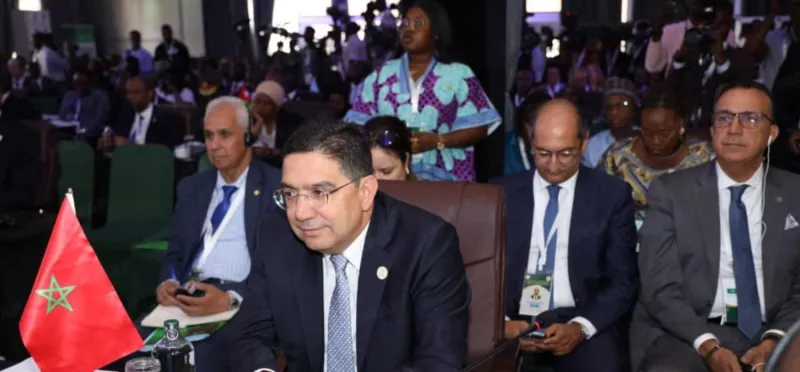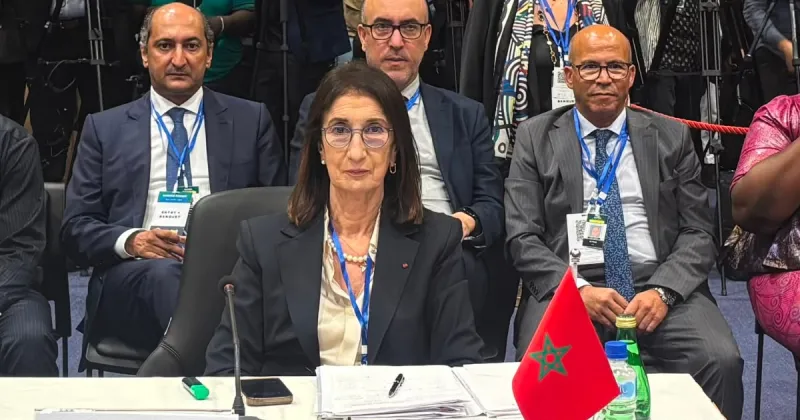
On July 22, 2026, the Economic Community of West African States (CEDEAO) announced a significant milestone for the Nigeria-Morocco gas pipeline project. Heads of state from the 15-member bloc signed a memorandum of understanding (MoU) during a summit in Abuja, Nigeria, to formalize their commitment to the trans-Saharan pipeline.
The pipeline, first proposed in 2016, aims to transport natural gas from Nigeria's Niger Delta region through several West African countries—including Benin, Togo, Ghana, and Côte d'Ivoire—before reaching Morocco and potentially Europe. The project is estimated to cost $25 billion and span over 5,600 kilometers, making it one of the longest offshore and onshore pipelines in the world.
According to a statement from the Nigerian National Petroleum Corporation (NNPC), the MoU outlines a framework for cooperation, including feasibility studies, environmental impact assessments, and financing arrangements. The pipeline is expected to have a capacity of 30 billion cubic meters per year, with construction potentially starting in 2027.
Morocco's King Mohammed VI and Nigerian President Bola Tinubu have both expressed support for the project, which is seen as a strategic move to enhance energy security and economic integration in West Africa. The pipeline could also help reduce gas flaring in Nigeria and provide a new export route to European markets.
However, challenges remain, including security concerns in the Sahel region and the need for significant investment. The project has faced delays since its inception, but the latest signing marks a renewed political will to move forward.