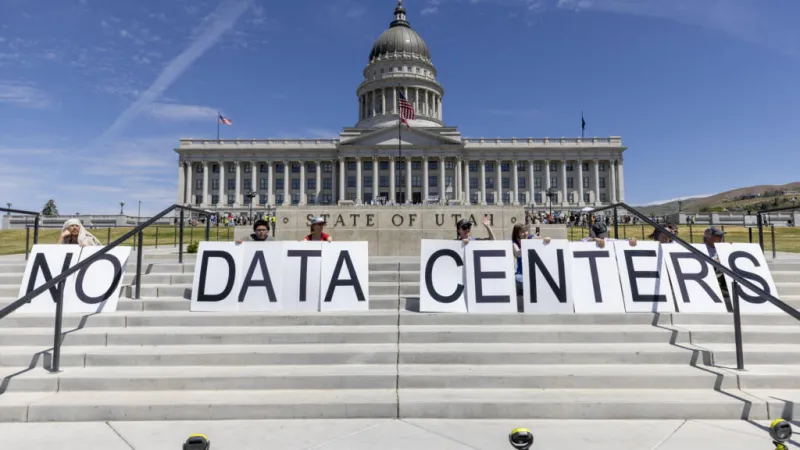
Data centers in the United States have grown rapidly to meet the demands of cloud computing and artificial intelligence, but their expansion is increasingly impacting local communities. Residents near facilities in Virginia, Arizona, and other states report noise from backup generators, high water usage for cooling, and strain on local power grids.
In Northern Virginia, the world's largest data center hub, some neighborhoods have seen property values affected and complained about constant humming sounds. Local officials have approved new zoning for data centers, but community groups argue that the benefits of jobs and tax revenue are outweighed by environmental and quality-of-life costs.
Water consumption is a key issue, as data centers can use millions of gallons daily for cooling, competing with residential and agricultural needs during droughts. Energy demand from data centers is projected to grow significantly, potentially delaying the retirement of fossil fuel plants.