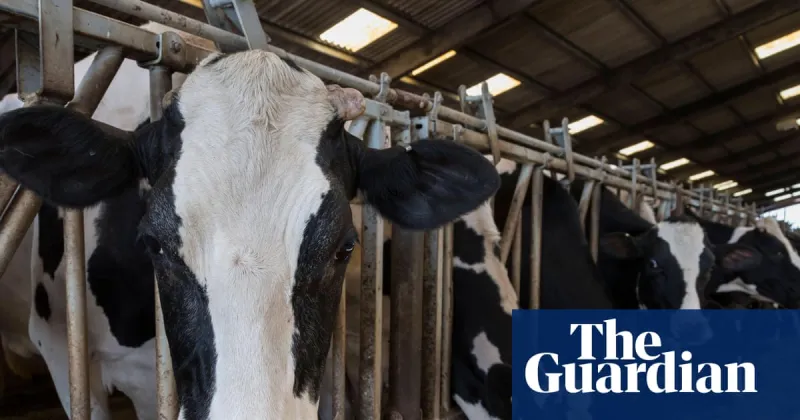
According to a report by The Guardian, the number of intensive dairy farms in the UK that permanently confine some of their cattle indoors has increased significantly. This rise is attributed to farmers struggling with rising costs and selling milk at a loss.
The practice, often referred to as 'battery cows' by critics, involves keeping cows indoors for most or all of their lives, similar to battery hens. The Soil Association and other groups have raised concerns about animal welfare and environmental impacts.
Data from the Department for Environment, Food and Rural Affairs (Defra) shows that the number of dairy cows in England kept on farms with more than 200 cows has risen by 10% in the past five years. However, exact figures on the number of farms using zero-grazing systems are not centrally collected.
Industry representatives argue that these methods are necessary to remain competitive and ensure a stable milk supply, especially as input costs like feed and energy have surged. The UK dairy sector has seen a 30% increase in production costs since 2020.
Consumer groups are calling for clearer labeling to distinguish between pasture-raised and intensively farmed dairy products. The government has not announced any new regulations on the practice.