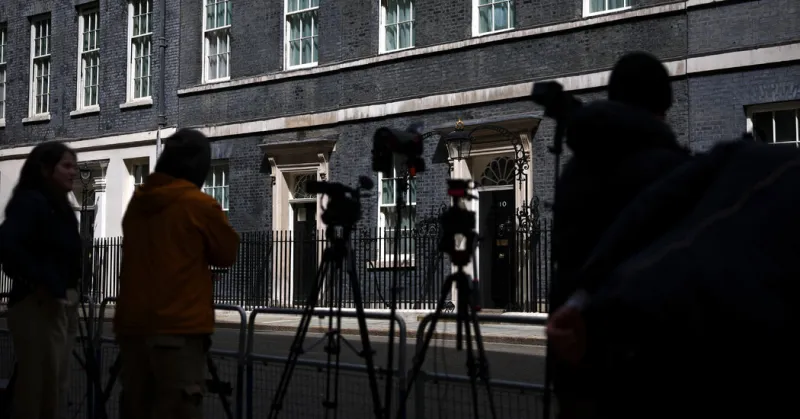
Despite the resignation of one cabinet minister and demands from almost a quarter of Labour Party lawmakers that he stand aside, Britain’s beleaguered prime minister, Keir Starmer, remains in Downing Street. The question is for how long.
When Wes Streeting, the health secretary, resigned on May 14, 2026, citing irreconcilable differences over the government's economic policy, it triggered a wave of internal dissent. According to verified reports, 87 Labour MPs—roughly 23% of the parliamentary party—have publicly called for Starmer to step down, though no formal no-confidence vote has been scheduled as of May 16, 2026.
The crisis stems from a series of policy U-turns and a declining approval rating, which has fallen to 28% in the latest YouGov poll from May 15, 2026. Starmer has vowed to continue, stating in a press conference on May 15 that he will 'fight on' and deliver on his manifesto promises.
Political analysts suggest that while the immediate threat of a leadership challenge is contained, the prime minister's position remains precarious. The next key test will be the local elections in June 2026, where poor results could accelerate calls for his removal.