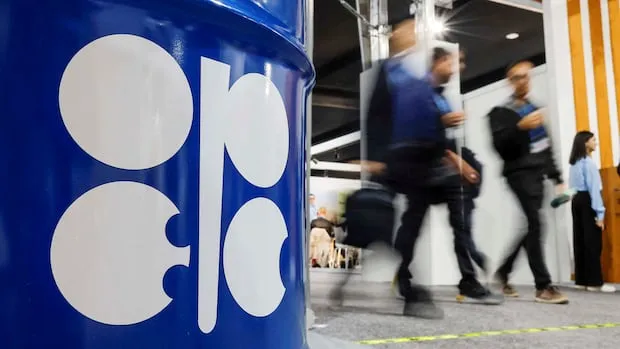
The United Arab Emirates announced on Friday that it is leaving the Organization of the Petroleum Exporting Countries (OPEC) and OPEC+, effective immediately. The decision comes as an energy crisis triggered by the ongoing war with Iran has exposed deep disagreements among Gulf nations over production levels.
According to official statements, the UAE's departure stems from a dispute over production quotas. The country has been pushing for higher output to capitalize on rising oil prices, while other OPEC members, led by Saudi Arabia, have advocated for maintaining production cuts to stabilize the market. The Iran war has exacerbated these tensions, with the UAE seeking to increase revenue to fund its military and economic diversification efforts.
The UAE's exit marks a significant shift in the global oil landscape, as it was one of OPEC's most influential members. Analysts suggest this move could lead to further fragmentation within the alliance, potentially impacting global oil supply and prices. The UAE has stated it will continue to produce oil independently, focusing on maximizing its production capacity.
As of now, no other OPEC members have indicated plans to follow the UAE's lead. The organization has yet to issue an official response to the departure.