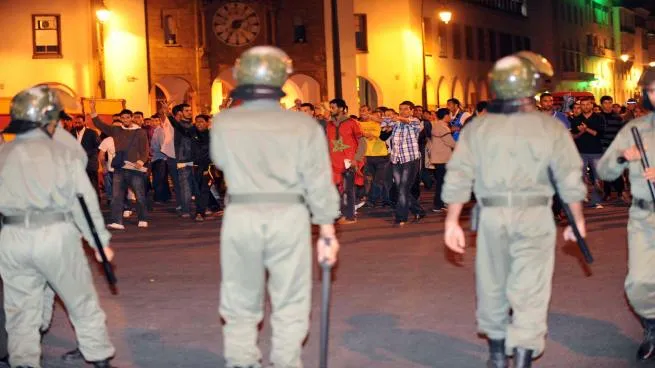
Violence in Moroccan universities has been a recurring issue for over two decades, with incidents ranging from student clashes to political tensions. Recent reports from 2026 indicate ongoing conflicts, including a violent confrontation at the University of Hassan II in Casablanca in March 2026, where several students were injured during protests over administrative decisions. These events highlight the persistent instability in higher education institutions.
Historical data shows that such violence often stems from student political activism, economic grievances, and competition for resources. A 2024 study by the Moroccan Ministry of Higher Education documented over 150 violent incidents across universities between 2000 and 2023, with peaks during exam periods and political crises. The government has implemented security measures, but critics argue that underlying issues like unemployment and lack of dialogue remain unaddressed.
In response to the 2026 clashes, the Ministry announced a task force to mediate student disputes and improve campus security. However, human rights groups have called for more comprehensive reforms, including addressing student poverty and promoting peaceful protest. The situation remains a challenge for Morocco's education system.