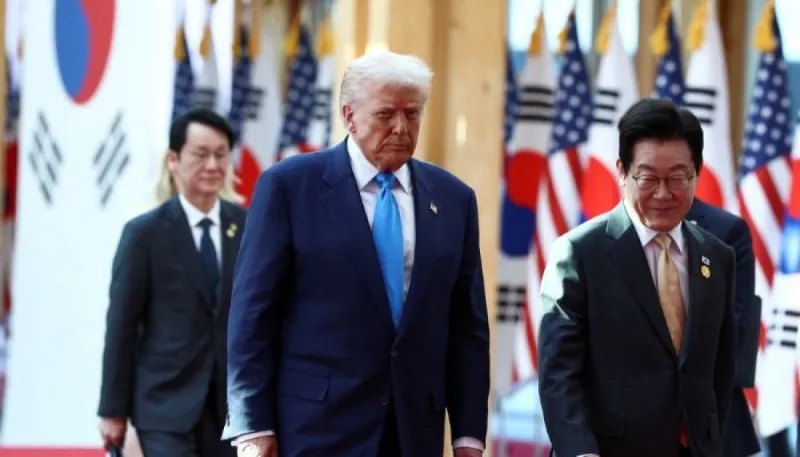
As of June 2026, former President Donald Trump has outlined a revised strategy for addressing North Korea's nuclear program, focusing on a combination of diplomatic engagement and economic sanctions. This marks a shift from his earlier 'fire and fury' rhetoric, which included threats of military action. The new approach aims to achieve denuclearization through phased negotiations, similar to the 2018 Singapore summit framework.
Key elements include maintaining maximum pressure through UN sanctions while offering incentives such as sanctions relief for verifiable steps toward denuclearization. Trump has also proposed direct talks with North Korean leader Kim Jong Un, resuming the dialogue that stalled after the 2019 Hanoi summit. However, North Korea has not publicly responded to these overtures as of mid-2026.
Analysts note that North Korea's nuclear capabilities have advanced significantly since 2019, with estimates suggesting it now possesses 40-50 nuclear warheads and improved missile technology. This complicates any negotiation, as Pyongyang may demand substantial concessions before agreeing to limitations. The Biden administration, which preceded Trump's potential return, had maintained a policy of 'calibrated diplomacy' with limited success.
Critics argue that Trump's plan lacks specific verification mechanisms and could repeat past failures where North Korea used talks to buy time for its weapons program. Supporters counter that direct engagement is the only viable path to reduce tensions. The international community remains divided, with South Korea cautiously welcoming the diplomatic shift while Japan and the US intelligence community urge skepticism.