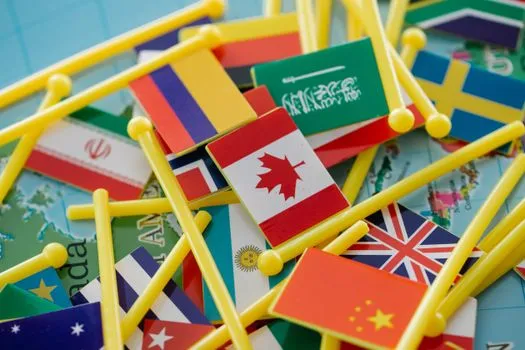
Former President Donald Trump's foreign policy strategy, often described as 'America First,' has been a subject of debate. This analysis focuses on his approach to three key nations: Iran, China, and Canada, based on verified actions and statements.
Regarding Iran, Trump's administration withdrew from the Joint Comprehensive Plan of Action (JCPOA) in 2018, reimposing sanctions. This policy aimed to curb Iran's nuclear program but faced criticism for escalating tensions. As of 2026, Iran continues to enrich uranium beyond JCPOA limits, according to IAEA reports.
On China, Trump initiated a trade war in 2018, imposing tariffs on billions of dollars of Chinese goods. The Phase One trade deal in 2020 required China to increase purchases of U.S. goods, but implementation was partial. Relations remain strained over technology, human rights, and trade imbalances.
With Canada, Trump renegotiated NAFTA, resulting in the USMCA in 2020. The deal updated trade rules but included provisions on dairy and auto manufacturing that Canada accepted. Tariffs on Canadian steel and aluminum were also imposed, later lifted in 2019. The relationship remains complex, with ongoing disputes over lumber and digital services taxes.