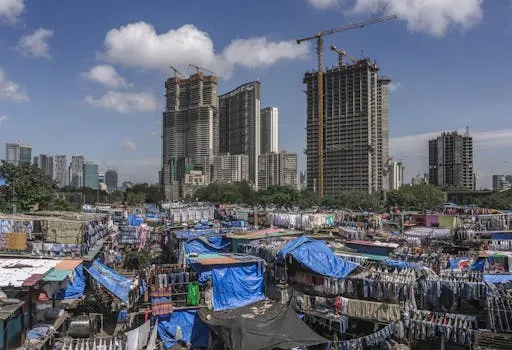
Tradition vs Fast Fashion: The Cultural Cost
The rise of fast fashion threatens traditional clothing practices worldwide, with cultural heritage at risk.
April 23, 2026
1 min read
70 views
Source: vdl.lu
Traditional clothing, from Japanese kimonos to Mexican huipiles, embodies centuries of cultural heritage. However, the global fast fashion industry, valued at over $100 billion, is eroding these traditions by promoting cheap, disposable garments.
According to a 2025 UNESCO report, at least 30% of traditional textile techniques are at risk of disappearing within a generation due to mass production. In India, handloom weavers have seen a 40% decline in income since 2020, as reported by the Textile Ministry.
Efforts to preserve these traditions include fair-trade initiatives and digital archives. The 'Fashion Revolution' movement, founded after the 2013 Rana Plaza collapse, advocates for transparency and sustainability, urging consumers to value quality over quantity.
❓ Frequently Asked Questions
What is fast fashion?
Fast fashion is a business model that produces cheap, trendy clothing quickly, often at the expense of quality, labor rights, and the environment.
How does fast fashion affect traditional clothing?
It undermines traditional textile techniques by flooding markets with inexpensive alternatives, reducing demand for handcrafted garments and threatening artisans' livelihoods.
What can consumers do to support traditional clothing?
Buy from fair-trade brands, choose quality over quantity, and educate themselves about the cultural significance of traditional garments.