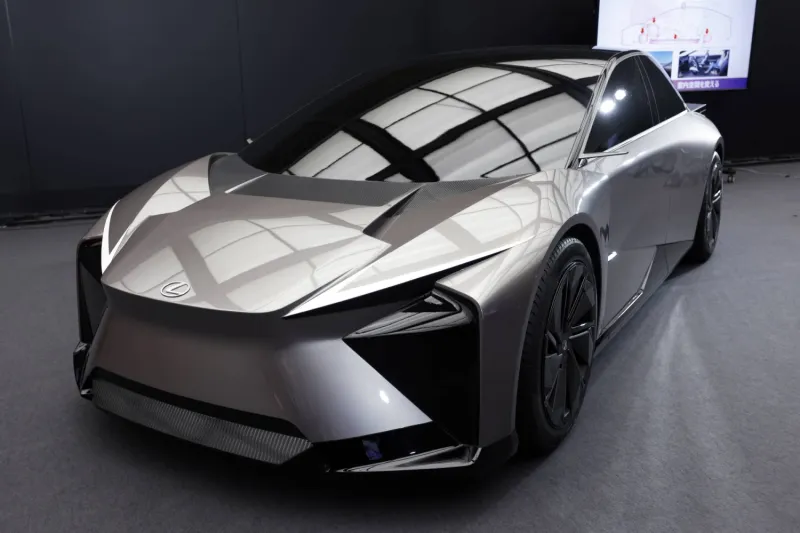
According to a report published on May 29, 2026, by the Japanese business newspaper Nikkei, Toyota Motor Corporation has decided to halt development of its next-generation electric vehicles (EVs). The report, which cites unnamed sources familiar with the matter, indicates that the automaker is reassessing its EV strategy amid slower-than-expected global demand for battery-electric vehicles.
The decision reportedly affects the development of a new EV platform that was expected to underpin several models, including a luxury Lexus EV. Toyota has not officially confirmed the report, and the company's representatives declined to comment when reached by Reuters. The news comes as Toyota continues to face criticism from environmental groups and investors for its cautious approach to full electrification.
Toyota has previously stated that it plans to invest 5 trillion yen (approximately $35 billion) in EV development by 2030 and aims to sell 3.5 million battery-electric vehicles annually by that year. However, the company has also emphasized a multi-pathway strategy that includes hybrids, hydrogen fuel cells, and plug-in hybrids, arguing that a one-size-fits-all approach to EVs is not viable for all markets.
The reported pause in next-gen EV development does not mean Toyota is abandoning electric vehicles entirely. The company continues to produce and sell existing EV models, such as the bZ4X, and is still committed to its long-term electrification goals. Industry analysts suggest that the move may be a tactical adjustment rather than a full retreat, allowing Toyota to focus on more profitable hybrid models in the near term.