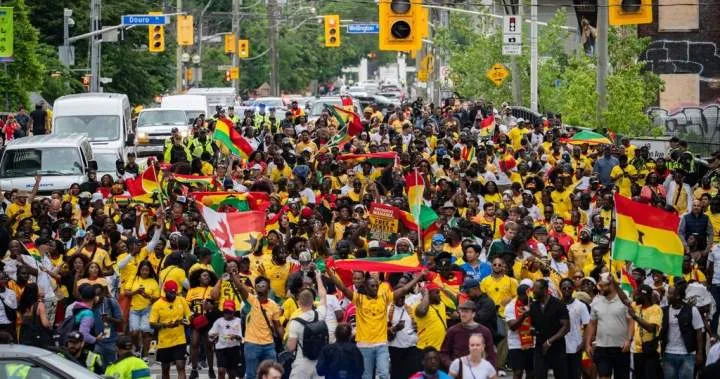
Toronto city officials are still reviewing data from FIFA following the 2026 World Cup, but they are already calling the event a success. The tournament, which took place in June and July 2026, saw matches hosted at BMO Field and other venues across the city.
According to a statement from the city, the economic impact is being assessed, with early estimates suggesting significant boosts to local tourism and hospitality. However, exact figures on visitor numbers and spending have not yet been released, pending final reports from FIFA and partner agencies.
Mayor Olivia Chow emphasized the importance of the tournament's legacy, including investments in public transit and community sports facilities. 'The World Cup has left a lasting mark on Toronto,' she said in a press release. 'We are now focused on ensuring these benefits continue for years to come.'
Key legacy projects include upgrades to public transit lines serving the stadium and new soccer fields in underserved neighborhoods. The city also reports increased interest in youth soccer programs, with registration numbers up 15% compared to last year.
Critics have called for more transparency on costs, noting that the city spent over $100 million on infrastructure and security. Officials say a full financial breakdown will be released once all data is compiled, expected by late 2026.