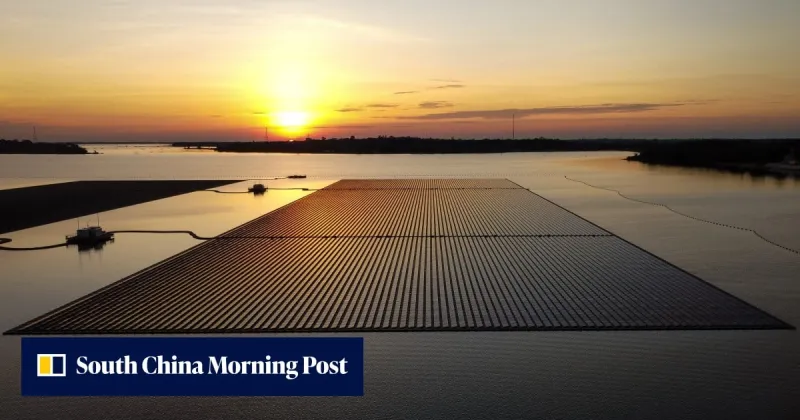
Thailand's efforts to expand solar power are facing hurdles, as high upfront costs deter low-income households from participating, according to a report. The scheme aims to increase renewable energy use, but the financial burden remains a barrier for many.
Toey Wattana Mongkhonnam, a resident of Yasothon province in northeastern Thailand, began considering solar panels for his family home during the Covid-19 pandemic. His household of five experiences rising electricity use with the day's heat, but the cost of installation has been a concern.
The report highlights that while solar energy can reduce long-term electricity bills, the initial investment is often too high for low-power users. This limits the reach of Thailand's solar initiatives and slows progress toward renewable energy targets.
As Thailand continues to promote solar power, addressing affordability will be crucial to ensuring broader adoption and meeting energy goals.