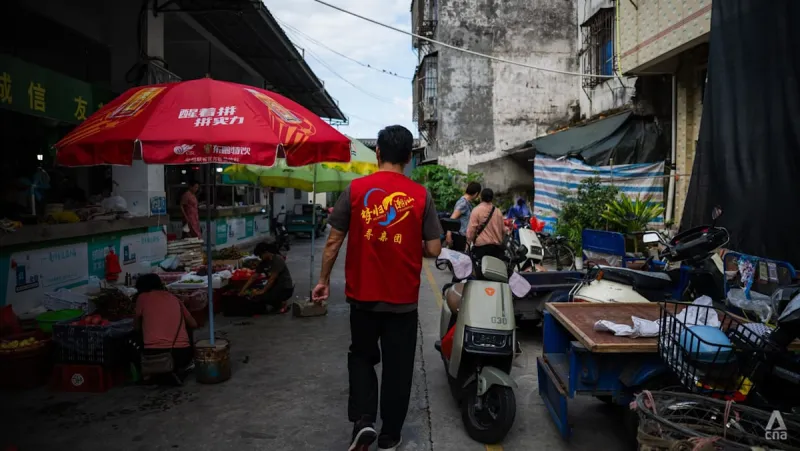
For many Teochew families in Singapore and Malaysia, the search for long-lost relatives in China has been transformed by modern tools. According to a report by CNA, ancestral halls and genealogy records in the Chaoshan region of southern China remain key sources of clues, but now DNA testing and social media platforms like WeChat are helping bridge the gap.
The Li Clan Ancestral Hall in the Chaoshan area is one such place where families have found historical records. However, the CNA report highlights that many families are turning to genetic genealogy, which combines DNA analysis with traditional family trees, to identify connections that paper records may have missed.
One example cited in the report involves a Singaporean Teochew family that used a DNA test to locate a cousin in Shantou, a city in Guangdong province. The process, which took several months, involved uploading DNA data to a database and matching it with relatives who had also tested.
While the emotional reunions are heartwarming, experts caution that privacy concerns and the accuracy of DNA matching are important considerations. Still, for many, the ability to reconnect with their ancestral homeland is a powerful motivator.