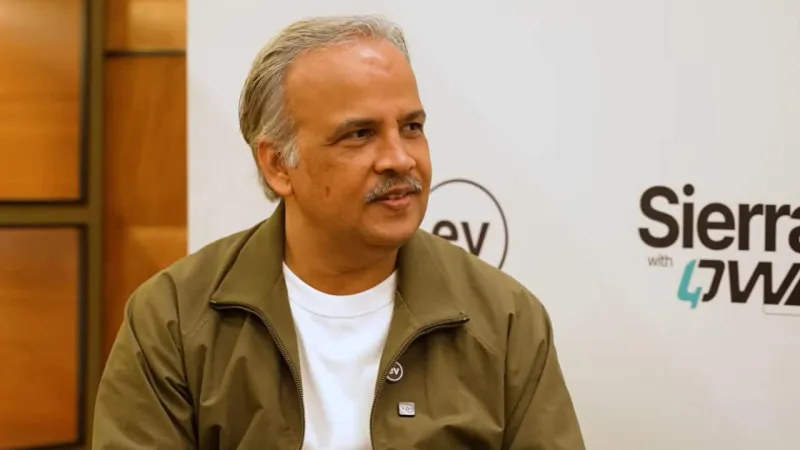
Tata Motors is actively evaluating next-generation battery chemistries, including solid-state and sodium-ion technologies, for future electric vehicles (EVs), according to Anand Kulkarni, the company's Chief Product Officer. The announcement was made during a recent industry conference, as reported by multiple automotive news outlets on July 18, 2026.
Kulkarni stated that the company is testing these chemistries to address key challenges in EV adoption, such as cost, range anxiety, and charging speed. Solid-state batteries, which use a solid electrolyte instead of liquid, promise higher energy density and improved safety, while sodium-ion batteries offer a cheaper alternative to lithium-ion by using abundant materials.
However, Kulkarni noted that commercial deployment of solid-state batteries is still several years away, with sodium-ion technology expected to enter production sooner for entry-level EVs. Tata Motors aims to integrate these technologies into its vehicles by 2028-2030, pending successful validation and cost competitiveness.
The move aligns with Tata Motors' broader strategy to lead India's EV transition, supported by its subsidiary Agratas Energy Storage Solutions, which is building a lithium-ion battery plant in Gujarat. The company currently offers EVs like the Nexon EV and Tiago EV, powered by lithium-ion batteries.