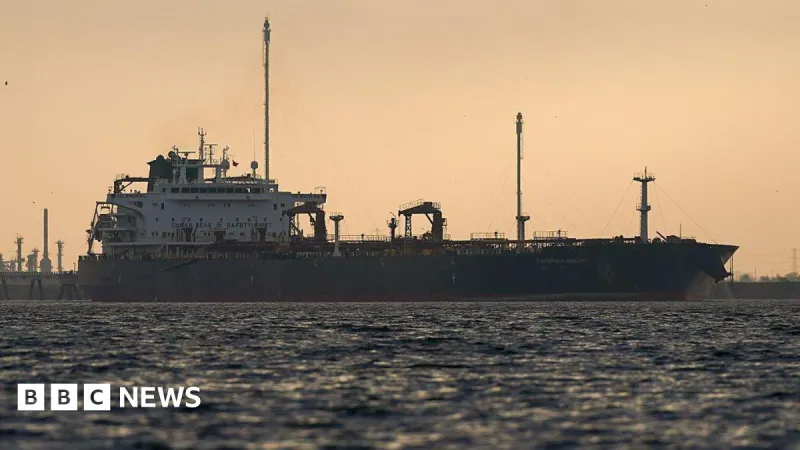
International shipping authorities and Western governments have urged tanker operators not to pay fees demanded by Iran for passage through the Strait of Hormuz, one of the world's most critical oil shipping lanes, through which roughly 20% of global oil supply transits daily.
The warnings came after a ceasefire agreement, reportedly reached earlier this week, failed to restore normal shipping traffic through the waterway. Operators had hoped the agreement would ease tensions and allow vessels to pass freely, but disruptions have continued, with Iran reportedly demanding financial payments from commercial vessels seeking to transit the strait.
Shipping industry groups and Western naval advisories have cautioned that paying such fees could be interpreted as legitimising Iranian control over an internationally recognised waterway, and may also expose companies to sanctions risk. The Strait of Hormuz is considered international waters under the United Nations Convention on the Law of the Sea (UNCLOS), and no single nation has the legal right to charge transit fees.
The disruption has raised fresh concerns about global energy security. The strait, located between Iran and Oman, is the only sea route connecting the Persian Gulf to the open ocean, making it a chokepoint for oil exports from Saudi Arabia, the UAE, Kuwait, and Iraq. Any prolonged blockage or fee regime could have significant consequences for global oil prices and supply chains.
Naval forces from several countries are reported to be monitoring the situation closely. Diplomatic efforts are ongoing to restore freedom of navigation through the strait, though no resolution had been confirmed as of April 11, 2026.