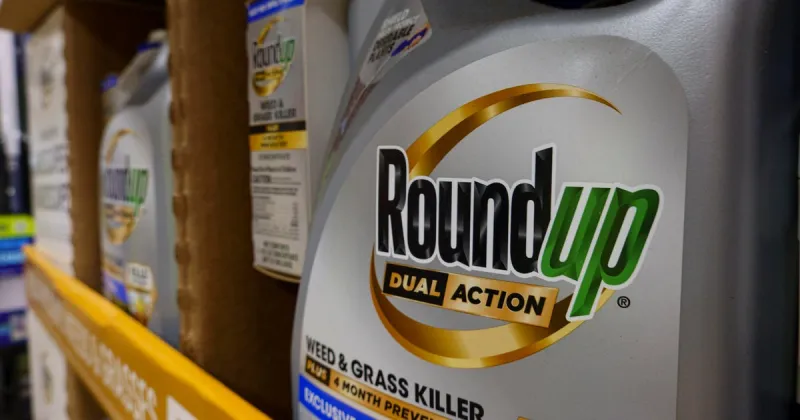
The Supreme Court on Thursday ruled 7-2 that Monsanto cannot be held liable under state laws for failing to warn consumers about the alleged cancer risks of its weedkiller Roundup on its label. The decision in Monsanto Co. v. D... overturned a $25 million verdict in favor of Edwin Hardeman, a California man who developed non-Hodgkin lymphoma after using Roundup for decades.
Justice Samuel Alito wrote the majority opinion, joined by Chief Justice John Roberts and Justices Clarence Thomas, Neil Gorsuch, Brett Kavanaugh, Amy Coney Barrett, and Ketanji Brown Jackson. Justices Sonia Sotomayor and Elena Kagan dissented. The court held that federal law preempts state failure-to-warn claims because the Environmental Protection Agency (EPA) had approved Roundup's label as adequate.
The case centered on whether the Federal Insecticide, Fungicide, and Rodenticide Act (FIFRA) bars state tort claims that would impose additional warning requirements beyond those approved by the EPA. The majority found that FIFRA's labeling provisions preempt such state claims, as the EPA had determined that the existing label was sufficient.
Bayer, which acquired Monsanto in 2018, has faced thousands of lawsuits over Roundup's alleged link to cancer. The company has maintained that Roundup is safe and that its label complies with federal regulations. The International Agency for Research on Cancer (IARC) classified glyphosate, the active ingredient in Roundup, as "probably carcinogenic to humans" in 2015, but other regulatory agencies, including the EPA, have found no such link.
The ruling is a significant victory for Bayer, which had set aside billions to settle Roundup lawsuits. The decision does not affect pending cases but sets a precedent that could limit future state-law claims against pesticide manufacturers.