Superglue — chemically known as cyanoacrylate — was discovered accidentally in 1942 by chemist Harry Coover while working at Eastman Kodak. He was attempting to create clear plastic gun sights for Allied forces during World War II. The substance stuck to everything it touched, making it initially useless for its intended purpose, and was set aside. Coover rediscovered it in 1951 and recognised its commercial potential, leading to the product being marketed as "Super Glue" in 1958.
The adhesive's medical potential became apparent during the Vietnam War in the 1960s, when a spray form of cyanoacrylate was used by military medics to seal wounds on the battlefield and reduce bleeding in injured soldiers. The results were promising enough to spur further research into medical applications, though the original formulation caused tissue irritation and was not approved for internal surgical use.
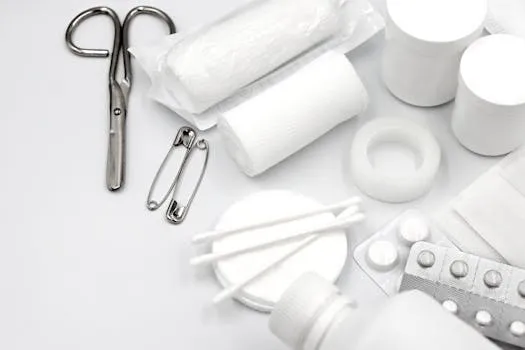
Scientists subsequently developed modified versions — most notably n-butyl cyanoacrylate and 2-octyl cyanoacrylate — that are far less toxic and better tolerated by living tissue. These medical-grade adhesives, sold under brand names such as Dermabond and Histoacryl, received regulatory approval and are now widely used to close skin lacerations, seal surgical incisions, and stop bleeding in procedures on both humans and animals. They offer advantages over traditional sutures, including faster application, reduced infection risk, and less scarring.
Veterinary medicine has embraced these tissue adhesives enthusiastically. They are routinely used in surgeries on cats, dogs, and other animals, where their ease of use and effectiveness are particularly valued. Researchers continue to refine cyanoacrylate-based products, exploring their use in internal surgeries and as drug-delivery vehicles, demonstrating how a wartime laboratory accident has had lasting benefits across medicine.