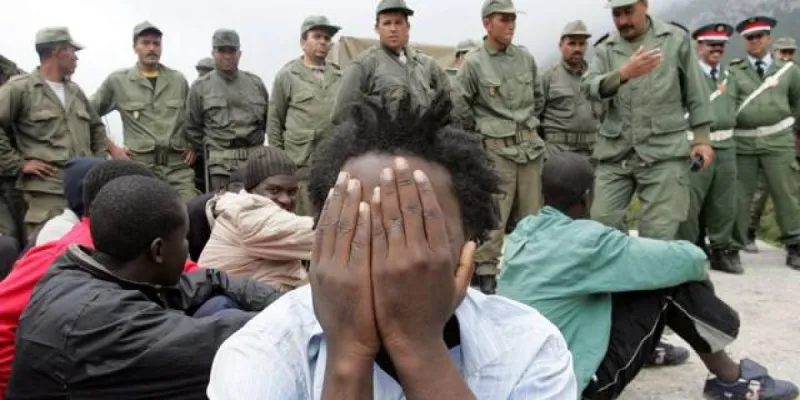
Sudanese refugees fleeing conflict are encountering significant legal and bureaucratic obstacles in Morocco, where a long-promised national asylum law remains unimplemented. Morocco adopted a National Strategy on Immigration and Asylum in 2013, which included plans for a formal asylum framework. However, more than a decade later, the country still lacks a dedicated asylum law, leaving many refugees in a state of legal limbo.
In practice, the United Nations High Commissioner for Refugees (UNHCR) conducts refugee status determinations in Morocco. While the government recognizes UNHCR-issued documents, the absence of a domestic legal framework means refugees often lack formal residency rights and face difficulties accessing work, education, and healthcare. This situation has been exacerbated by the arrival of Sudanese nationals escaping the ongoing war that began in April 2023.
Reports from humanitarian organizations indicate that many Sudanese refugees find themselves trapped between borders, unable to regularize their status in Morocco and facing extreme challenges in seeking onward movement. The bureaucratic delays and legal gaps contrast with Morocco's 2013 strategy, which aimed to integrate migration into public policies and guarantee migrants' rights.
The continued non-implementation of the asylum law leaves vulnerable populations dependent on ad-hoc protections and the support of international agencies. As conflicts persist in regions like Sudan, the pressure on Morocco's system highlights the urgent need for the formal legal protections initially envisioned over twelve years ago.