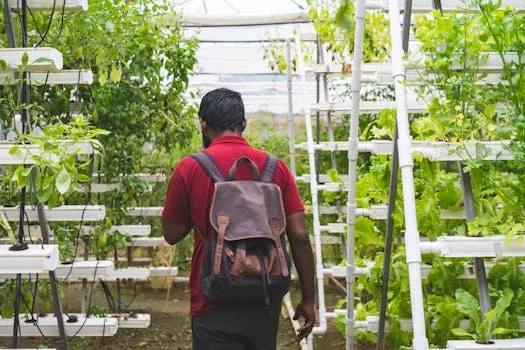
Students at a middle school in California have constructed a functional hydroponic tower as part of their agricultural science curriculum. The project, led by their teacher, aimed to teach sustainable farming practices and introduce students to technology-based food production methods that use less water and space than traditional soil farming.
Hydroponics is a method of growing plants without soil, using mineral nutrient solutions in a water solvent. The students' tower allows for vertical farming, maximizing growth in a compact area. This hands-on project provided lessons in plant biology, engineering, and environmental science.
Educational experts note that such projects help bridge the gap between classroom learning and real-world applications, potentially inspiring future careers in STEM and agriculture. The school plans to use the produce grown in the tower for its cafeteria, further connecting the project to the community.