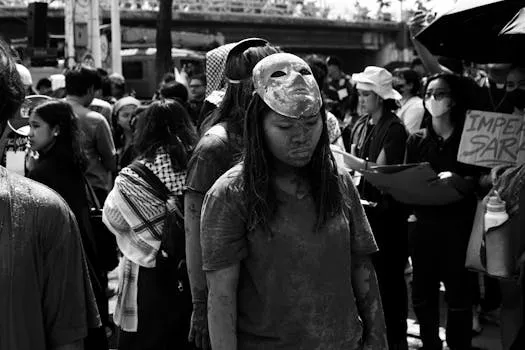
Recent student unrest across multiple countries has drawn attention to underlying problems in education systems and governance. According to a 2026 report by the International Institute for Education Policy, student protests have increased by 35% since 2020, with key demands including affordable tuition, mental health support, and climate action.
In France, student-led demonstrations in May 2026 called for reforms in university funding and housing. The French Ministry of Education reported that 60% of students struggle with housing costs, a figure that has risen steadily over the past decade.
Experts like Dr. Marie Leclerc of Sciences Po note that these protests are not isolated incidents but symptoms of broader societal challenges. 'Students are reacting to economic inequality and a lack of future opportunities,' she stated in a June 2026 interview with Le Monde.
Similar movements have been observed in the United States and India, where students demand action on student debt and job creation. The World Bank's 2026 Global Education Report emphasizes that addressing these issues requires systemic changes, not just temporary fixes.