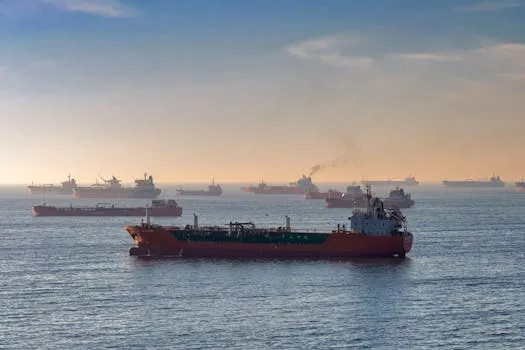
The Strait of Hormuz, a narrow waterway between Iran and Oman, remains a focal point of geopolitical tension and a critical chokepoint for global energy supplies. Approximately 20% of the world's oil and a significant volume of liquefied natural gas (LNG) pass through the strait.
Regional instability, particularly the ongoing conflict between Israel and Hamas and related attacks by Yemen's Houthi rebels in the Red Sea, continues to impact maritime security in the broader Middle East. While the primary Houthi attacks have targeted the Red Sea and Bab el-Mandeb strait, the threat of escalation and broader regional conflict keeps the security of the Hormuz strait under constant scrutiny.
Iran, which borders the strait, has repeatedly emphasized its ability to control the waterway, a capability that forms a cornerstone of its strategic deterrence. Analysts note that while a full-scale closure of the strait remains unlikely, the persistent threat of harassment to shipping or a miscalculation by involved actors poses a continuous risk to this vital maritime route.