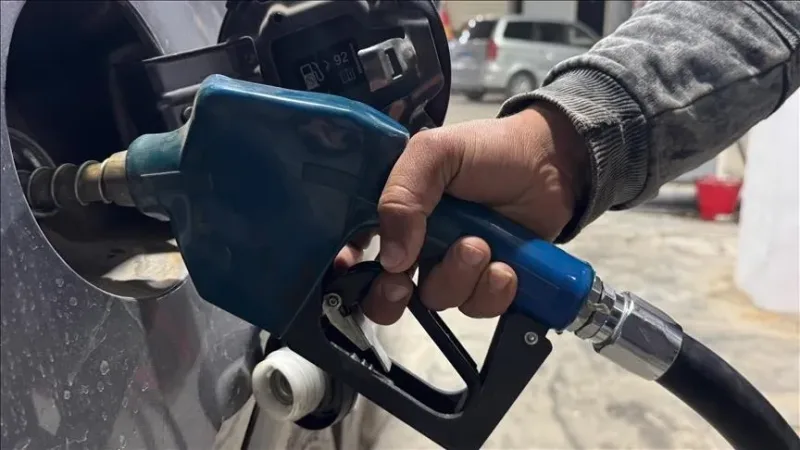
Recent geopolitical tensions in the Middle East, particularly incidents near the critical Strait of Hormuz shipping lane, have contributed to volatility in global oil markets. As a net importer of refined petroleum products, Morocco's domestic fuel prices are sensitive to these international fluctuations.
The Strait of Hormuz is a vital maritime chokepoint through which approximately 20-21% of global petroleum consumption passes, according to the U.S. Energy Information Administration. Any perceived threat to shipping in this area typically leads to risk premiums in oil prices.
Morocco's fuel pricing mechanism is linked to international markets. While the government maintains a compensation fund to cushion domestic shocks, sustained high global prices inevitably create upward pressure on costs for consumers and industry.
Analysts note that broader OPEC+ production decisions and global demand trends are also significant factors influencing the price environment. The situation underscores the economic vulnerability of energy-importing countries to instability in key oil transit regions.