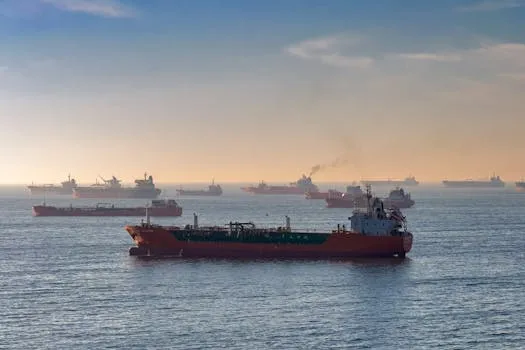
The Strait of Hormuz, a narrow waterway between the Gulf of Oman and the Persian Gulf, is one of the world's most important strategic chokepoints for global oil shipments. According to the U.S. Energy Information Administration, in 2023, its daily oil flow averaged 20.5 million barrels per day (bpd), equivalent to about 21% of global petroleum liquids consumption. The waterway is bordered by Iran, Oman, and the United Arab Emirates.
While the source article references a hypothetical blockade plan by former U.S. President Donald Trump, no such blockade is currently in effect. The strait remains open, but its security is perennially a focus of international concern due to regional tensions involving Iran. Historical incidents, including tanker seizures and attacks, have periodically disrupted shipping and insurance markets, highlighting the route's vulnerability.
The flow of oil through the strait is vital for global energy markets. Major exporters like Saudi Arabia, Iraq, the United Arab Emirates, Kuwait, and Qatar rely on it for the majority of their seaborne exports. Any significant disruption would have immediate and severe consequences for global oil prices and supply chains, making its security a persistent priority for consuming nations and the international maritime community.