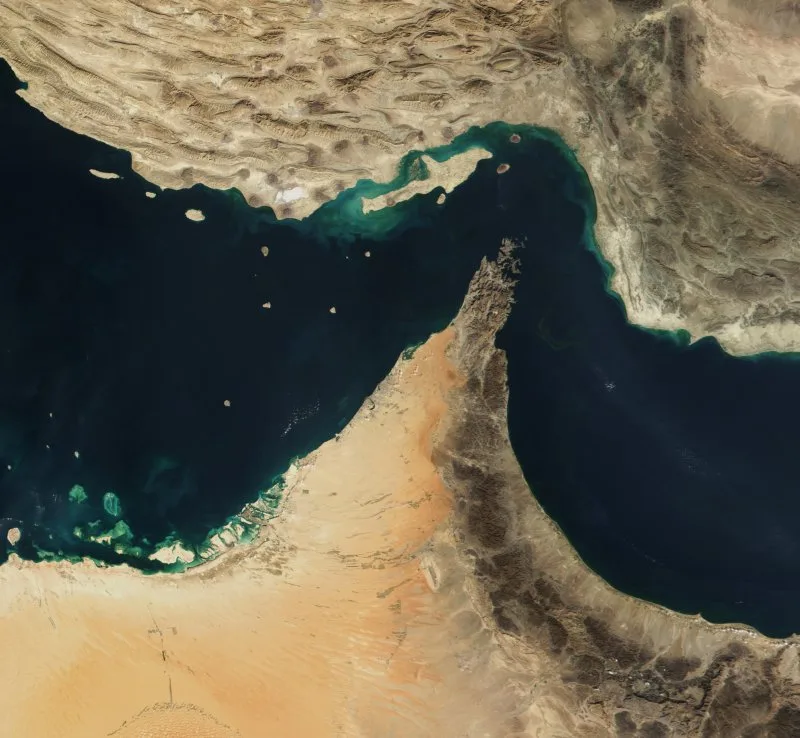
The Strait of Hormuz remains one of the world's most critical maritime chokepoints for global energy security. According to the U.S. Energy Information Administration (EIA), in 2023, its daily oil flow averaged 20.5 million barrels per day, representing about 21% of global petroleum liquids consumption. The waterway is the primary route for oil exports from major producers including Saudi Arabia, Iran, the United Arab Emirates, Kuwait, and Iraq.
Any significant disruption or closure of the strait would have immediate and severe consequences for global oil markets, leading to sharp price spikes and supply shortages. The strait is also a vital passage for liquefied natural gas (LNG), with nearly a quarter of global LNG trade, primarily from Qatar, transiting through it. The narrow shipping lanes and high traffic volume make the area inherently risky.
Geopolitical tensions in the region, particularly involving Iran, have historically raised the threat of disruption. Military incidents and seizures of vessels have occurred, underscoring the persistent volatility. While a full-scale closure is considered a low-probability, high-impact event, even minor incidents can cause market anxiety and increased shipping insurance costs, affecting the global economy.
International efforts to ensure the strait remains open include naval patrols and diplomatic initiatives. The security of this passage is a paramount concern for energy-importing nations worldwide, highlighting the fragile interdependence of global energy infrastructure and geopolitics.