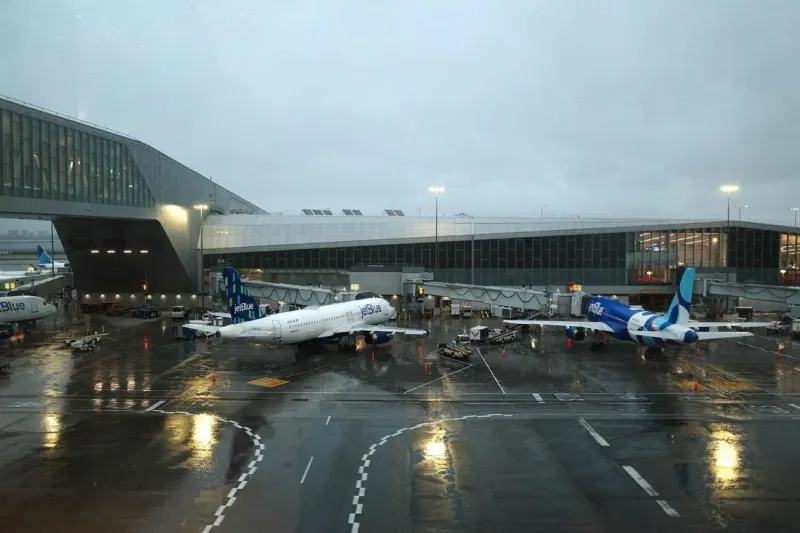
The global aviation industry is facing heightened uncertainty as the continued closure of the Strait of Hormuz, a critical maritime chokepoint, disrupts the flow of jet fuel. The strait, located between the Persian Gulf and the Gulf of Oman, is a vital passage for oil and fuel tankers from major producers. Its closure has significantly tightened global supplies.
Industry analysts report that jet fuel inventories in key regions, including Europe and Asia, are under pressure. While a precise date for potential stock depletion remains uncertain, airlines and airports are actively implementing contingency plans. These measures include optimizing flight routes, seeking alternative suppliers, and drawing on strategic reserves where available.
The situation remains fluid, with diplomatic efforts reportedly underway to resolve the geopolitical tensions causing the closure. The International Air Transport Association (IATA) has warned that prolonged disruption could lead to operational challenges and increased costs for airlines, potentially impacting flight schedules and fares for passengers worldwide.