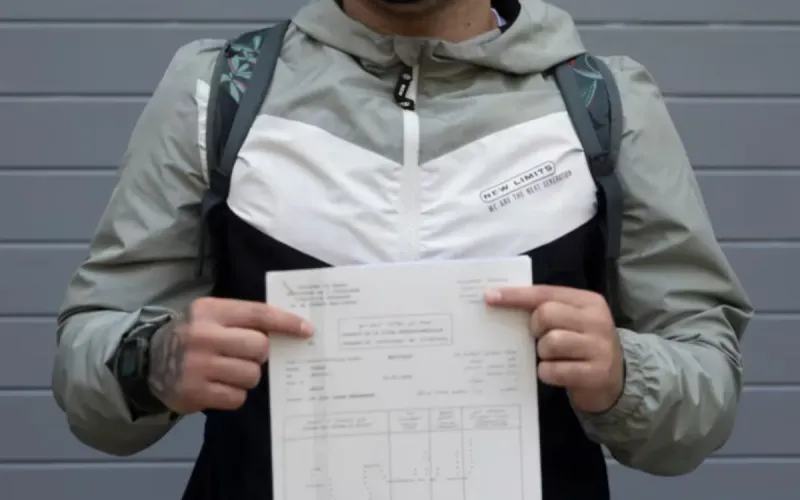
Spain's government, led by Prime Minister Pedro Sánchez, has launched an extraordinary regularization process for undocumented immigrants. A key requirement is a criminal record certificate, which costs approximately 3 euros. This document is essential for applicants to demonstrate they have no criminal history in Spain or their country of origin.
The process is expected to benefit over half a million foreigners living in Spain without legal status. The initiative aims to address labor shortages and integrate migrants into the formal economy. However, administrative delays have been reported, with some applicants facing long waits for appointments and document processing.
Applicants must also provide proof of residence in Spain for at least two years, a valid passport, and evidence of employment or family ties. The regularization is part of broader immigration reforms under Sánchez's government, which has faced criticism from opposition parties for being too lenient.
As of April 2026, the process is ongoing, with authorities urging applicants to submit complete documentation to avoid further delays. The Spanish government has not released official figures on the number of successful applications so far.