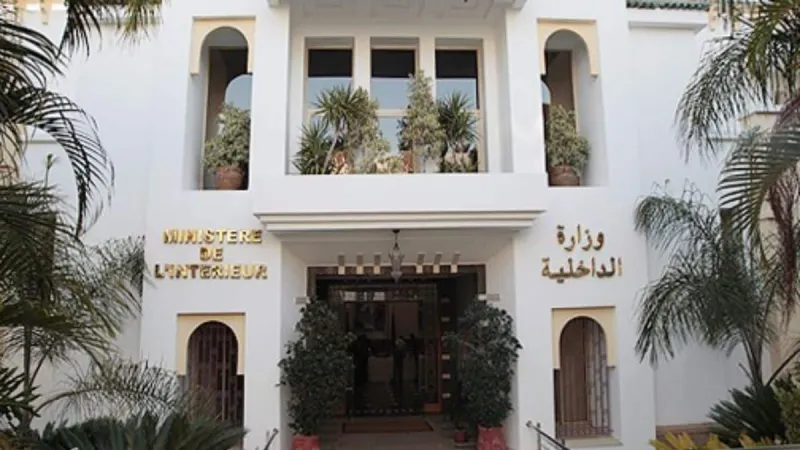
Morocco's Ministry of the Interior held a meeting on April 30, 2026, to review the progress of the advanced regionalization project, a key reform aimed at decentralizing power and promoting local development. The meeting, chaired by Minister Abdelouafi Laftit, brought together regional governors and officials to assess the implementation of the 2015 administrative division into 12 regions.
According to a ministry statement, the project has achieved significant milestones, including the transfer of 70% of planned competencies to regional councils by early 2026. This includes responsibilities in areas such as economic development, infrastructure, and vocational training. The ministry emphasized that the reform is on track to meet its 2027 deadline for full implementation.
Minister Laftit highlighted the importance of regionalization in reducing territorial disparities and improving public services. He noted that the next phase will focus on strengthening the financial autonomy of regions and enhancing coordination between central and local authorities. The ministry also reported that 8 out of 12 regions have already adopted their regional development plans (PDRs) for 2026-2030.
However, challenges remain, including the need for more qualified personnel at the regional level and the harmonization of legal frameworks. The ministry plans to launch a training program for regional civil servants in June 2026 to address these issues.