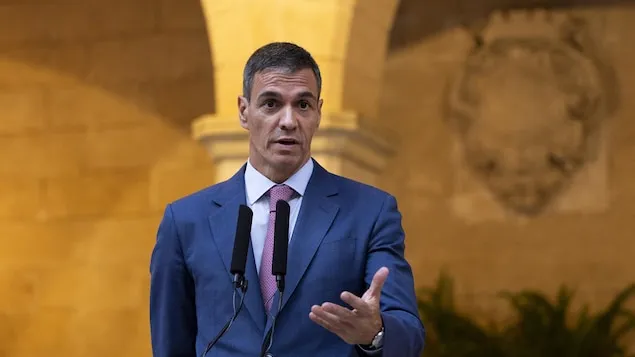
On August 5, 2026, Spanish Prime Minister Pedro Sánchez defended his government's migration policy during a parliamentary session, responding to criticism from opposition parties over the handling of increased migrant arrivals to the Canary Islands.
Sánchez emphasized the need for a humane and orderly approach, citing Spain's commitment to international law and human rights. He highlighted cooperation with African countries to address root causes of migration, such as poverty and instability.
According to data from the Spanish Interior Ministry, arrivals to the Canary Islands have risen significantly in 2026, with over 25,000 migrants reaching the archipelago by July, a 40% increase compared to the same period in 2025. The opposition has called for stricter border controls and a more restrictive policy.
The prime minister rejected calls for a tougher stance, arguing that Spain's approach balances security with solidarity. He also pointed to EU-level agreements aimed at distributing asylum seekers more fairly among member states.
Political analysts note that migration remains a contentious issue in Spain, with public opinion divided. The government's policy is likely to be a key topic in upcoming regional elections.