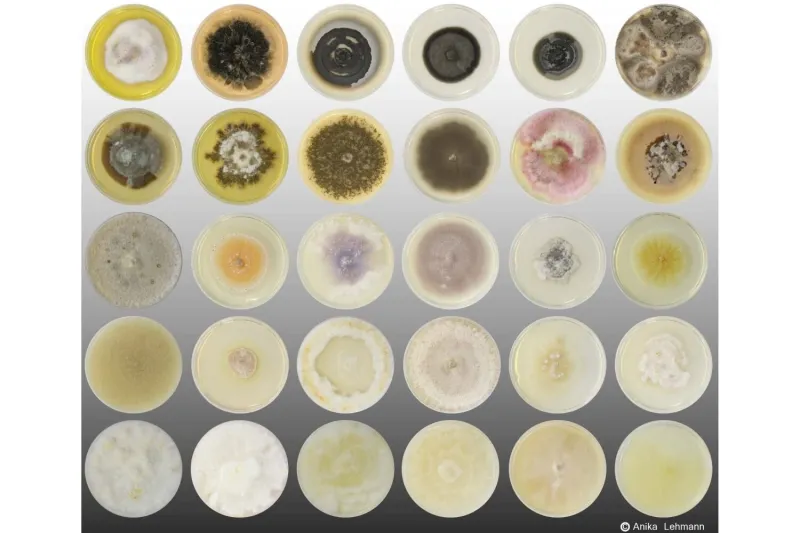
Emerging research indicates that certain bacteria and fungi living in soil may play a role in atmospheric processes that can lead to rainfall. A body of scientific work, including studies referenced by institutions like the Max Planck Institute for Chemistry, explores how these microorganisms release biological particles into the air.
These particles, which include bacterial cells and fungal spores, can be swept into the atmosphere by wind. Once aloft, they can act as ice-nucleating particles (INPs) in clouds. At temperatures too warm for pure water to freeze, these biological INPs can provide a surface for ice crystals to form, a process crucial for the development of precipitation in some types of clouds.
The concept, part of the field of bioprecipitation, suggests a potential feedback loop where microbial life influences its local environment. However, scientists emphasize this is a complex atmospheric process and one of many factors affecting weather. The relative contribution of these biological particles compared to mineral dust or other aerosols is an active area of research, and they are not considered a primary driver of major storm systems.
This research highlights the interconnectedness of Earth's systems, where life in the soil may have an unexpected link to the hydrological cycle. Further study is needed to quantify the global impact of this process on climate and precipitation patterns.